Mobile Developer
Software Engineer
Project Manager
Mobile Developer
Software Engineer
Project Manager
Tag: Technology

Harnessing the Power of the PaperBanana AI Framework for Automated Scientific Visualization
Introduction
In the ever-evolving landscape of scientific research, the PaperBanana AI framework has emerged as a cutting-edge solution for automated scientific visualization. As researchers grapple with the complexities of data interpretation and presentation, automated tools have become more critical than ever. Automated scientific visualization not only enhances the clarity of research findings but also streamlines the process of creating publication-ready diagrams. The PaperBanana AI framework, developed by Google and Peking University, represents a breakthrough in this domain.
Background
The genesis of the PaperBanana AI framework is notable for its innovative approach to multi-agent AI systems, combining efforts from leading institutions. This framework is built around a specialized architecture where five agents collaboratively engage in a two-phase process. The primary stages consist of linear planning and iterative refinement, aiming to productively generate visuals that meet stringent academic standards.
– Collaboration of Specialized Agents: Each agent in PaperBanana has its specific role, from data analysis to graphic design. This division of labor enhances efficiency, akin to an orchestra where each musician contributes a unique sound toward a harmonious outcome.
– Two-Phase Process: The system carefully outlines tasks in the linear planning stage before refining outputs in the iterative refinement phase. This ensures that every detail adheres to the required quality before arriving at the final visuals.
Moreover, the PaperBananaBench was established as a benchmark dataset, showcasing the framework’s versatility and effectiveness in creating high-quality visuals based on a selection of 292 test cases sourced from NeurIPS 2025 publications.
Trend
As we advance into a more technologically driven era, the demand for sophisticated scientific visualization methods has surged. Publication-ready diagrams are no longer conveniences; they are necessities in communicating complex research findings efficiently. The PaperBanana AI framework, with its automated capabilities, signals a pivotal shift in research methodologies.
– Revolutionizing Research Methodologies: Traditional methods of creating visualizations often involve time-consuming labor that can detract from focusing on core research. With tools like PaperBanana, researchers can save time and effort by automating the creation of statistical plots, significantly enhancing productivity.
– Importance of Statistical Plots AI: In ensuring numerical precision, automated systems can produce statistical plots with a degree of fidelity that often surpasses manual creation. This results in more accurate representations of data, bolstering the robustness of the research presented.
With the continual rise of automated scientific visualization tools, researchers are now better equipped than ever before to present their findings to both the scientific community and the public.
Insight
An in-depth analysis of benchmarking results from PaperBananaBench reveals that the PaperBanana framework significantly outperforms baseline methods. The framework has shown:
– An overall score improvement of +17.0%.
– Enhancements in conciseness (+37.2%), readability (+12.9%), aesthetics (+6.6%), and faithfulness (+2.8%).
These metrics underscore the framework’s strength in producing publication-ready diagrams, confirming its utility in the intricate world of academic visuals. Additionally, the execution of executable Python Matplotlib code for statistical plot generation ensures 100% data fidelity, a notable contrast to conventional image generation methods, which often suffer from numerical hallucinations.
For academia, this advancement represents not just an improvement in visual quality, but also assures reliability in conveying data-driven narratives.
Forecast
Looking ahead, the field of multi-agent AI frameworks is poised for substantial evolution, with significant implications for research publication processes. The PaperBanana AI framework sets a standard, and its evolution will influence how future automated scientific visualization tools are developed.
– Future Advancements: As capabilities expand, we may see frameworks that incorporate real-time data analysis and visualization, reflecting the latest research developments almost instantaneously.
– Influence of Google AI Research: Building on the foundation laid by PaperBanana, Google AI research is likely to pioneer additional tools that facilitate not only the visualization of complex data but also the understanding and accessibility of scientific insights.
As automated frameworks like PaperBanana proliferate, researchers will find themselves equipped with powerful tools to visualize and communicate their findings effectively.
Call to Action
As we delve deeper into the age of automation in scientific research, it’s imperative for researchers and academic institutions to embrace the newly available tools and frameworks like the PaperBanana AI framework. By adopting this technology, you not only enhance the quality of your research outputs but also contribute to a more efficient scientific discourse.
For deeper insights, explore the full article on MarkTechPost.
Lastly, we encourage readers to share their experiences with automated visualization tools and provide feedback. Join us in shaping the future of scientific communication!

Harnessing AI in Sports Broadcasting: Revolutionizing the Viewer Experience
Introduction
The integration of AI in sports broadcasting is reshaping the way fans engage with their favorite events. As we look forward to the upcoming Winter Olympics, it’s essential to explore the innovations leading this transformation. From enhancing viewer interaction to creating immersive experiences, AI technologies are paving the way for a new era in sports broadcasting.
Background
Traditionally, sports broadcasting relied heavily on static camera feeds and scripted commentary, offering limited engagement for fans. However, the introduction of technology into this field has marked a significant shift in viewer experience. Technological advancements, particularly during events like the Olympics, have been pivotal. Innovations such as Olympic GPT and the deployment of FPV (First Person View) drones promise to elevate the way audiences experience sports, making them feel as though they are part of the action.
As highlighted in a recent article on WIRED, the 2026 Winter Olympics in Milano Cortina will see the implementation of cutting-edge technologies that aim to enhance the overall experience for viewers. The introduction of AI tools and drones represents just a fraction of this exciting evolution.
Trend
The trend of utilizing AI in broadcasting is rapidly gaining momentum. Technologies such as 360-degree replays and real-time data integration allow fans to engage with content in ways previously thought impossible. This evolution is not just about improving video quality; it’s about redefining how audiences interact with live sports.
– 360-Degree Replays: These enable viewers to see the action from multiple angles, offering a comprehensive understanding of events. Imagine being able to rotate your perspective during a critical goal in hockey—a feature that enhances the excitement of live events.
– Drones in Sports: FPV drones provide dynamic overhead images of athletes in action, capturing moments from a vantage point that was once reserved for only the most expensive cameras. This aerial perspective can provide insights that enrich the narrative and atmosphere of the event.
Statistics indicate a profound impact of AI on viewing habits, with viewer engagement skyrocketing thanks to these new technologies. With real-time analytics and interactive features, sports broadcasting is becoming increasingly immersive, welcoming a new generation of tech-savvy viewers.
Insight
Let’s delve deeper into some specific technologies enhancing the broadcast experience:
– AI-Powered Tools: Olympic GPT is at the forefront, enhancing content accessibility through automated summaries and real-time interaction. This makes reporting more engaging and allows fans to access information quickly, akin to how social media platforms deliver bite-sized news updates.
– Drone Technology: The use of FPV drones not only showcases athletes’ performances but also enhances storytelling by providing rich, contextual visuals. The ability to capture dramatic action shots from above adds a new layer of excitement to broadcasts, making viewers feel as if they are right on the field.
– 360-Degree Replays: This technology allows fans to experience plays from every angle, fostering a deeper connection to the sport. In essence, it transforms passive viewing into an interactive experience, elevating the excitement of live sports.
By employing these technologies, the sports industry is embracing a future where engagement transcends traditional boundaries.
Forecast
Looking beyond the Winter Olympics, the future of AI in sports broadcasting appears exceptionally bright. As technologies evolve, we can expect the following trends to become more prevalent:
1. Further Integration of AI Tools: As AI continues to improve, tools will become more sophisticated, offering personalized content for individual viewers based on their preferences—akin to how streaming services recommend shows and movies.
2. Smarter Drones: Advances in drone technology will allow for even more intimate coverage of athletic performances, enabling broadcasts to capture the finest details, such as facial expressions and reactions during pivotal moments.
3. Increased Engagement: Innovations will lead to unprecedented levels of viewer engagement, with fans participating in live polls, discussions, and instant replays, enhancing their connection to the sporting event.
The potential implications of these sports tech innovations are vast, creating a more dynamic, interactive environment that not only captivates viewers but also enriches their overall experience.
Call to Action
As we enter this exhilarating era of AI in sports broadcasting, we encourage you to explore the advancements shaping the future of sports. Stay informed about these technological trends, as they will undoubtedly influence how we consume and engage with sports in the years to come.
For further insights into these innovations, check out the full analysis on WIRED.
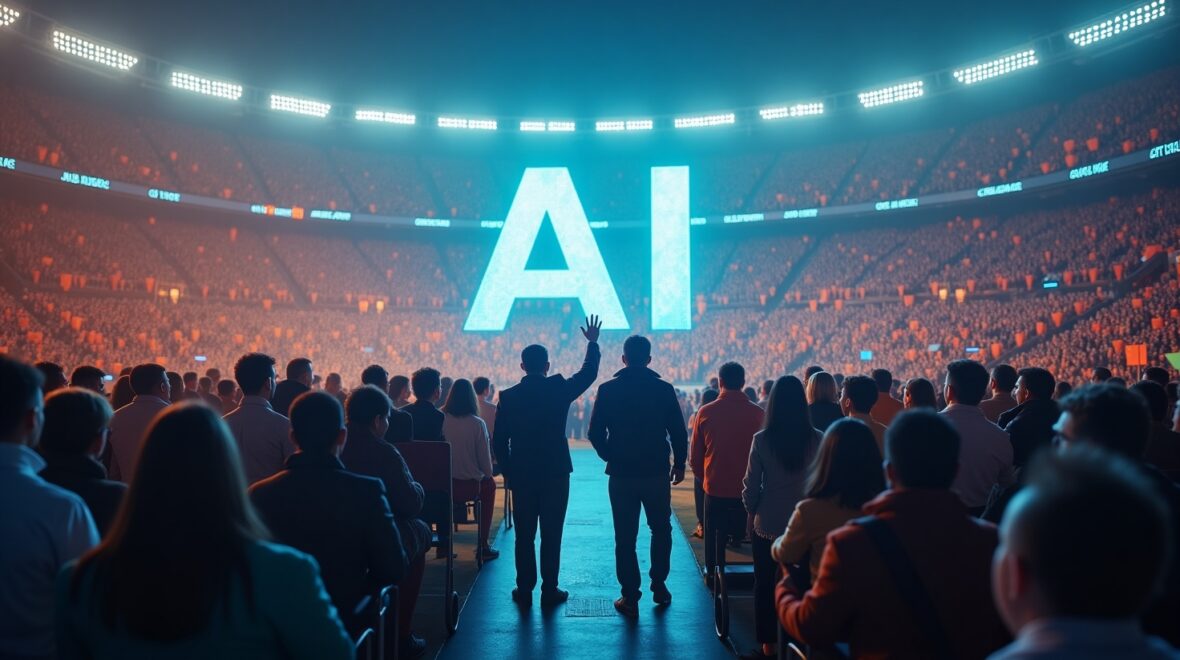
The Rise of Super Bowl AI Ads: Transforming Marketing Strategies
Introduction
In recent years, the landscape of Super Bowl advertisements has dramatically shifted, incorporating artificial intelligence (AI) at the forefront. From AI-generated characters to interactive experiences, brands are leveraging cutting-edge technology to reshape how they engage with consumers during one of the most-watched events in television history. The integration of AI in marketing strategies not only enhances audience engagement but also reflects a broader trend towards innovation and efficiency in advertising.
Background
The evolution of AI marketing has been a transformative journey, resonating profoundly within the media landscape. Over the past decade, advancements in machine learning and data analytics have redefined how brands approach consumers. The emergence of intelligent algorithms capable of predicting consumer behavior has allowed companies to craft highly personalized advertisements that resonate on an emotional level.
For instance, brands like Svedka and Anthropic have incorporated AI to create engaging and memorable ads. Svedka’s AI-generated ads featuring lifelike robot characters showcase the sophistication of technology in capturing audiences’ attention. These advancements signal a fundamental shift toward a marketing model where AI plays a pivotal role, enhancing effectiveness and creativity.
Current Trend
The 2026 Super Bowl saw a remarkable surge in AI ads, with notable examples that captured both attention and imagination. Svedka’s commercial, utilizing advanced AI to generate robot characters, took around four months for conceptualization and execution. Similarly, Anthropic showcased its new AI chatbot, Claude, with the tagline “Ads are coming to AI. But not to Claude,” which highlights the brand’s commitment to providing an ad-free experience amidst the crowded AI space of OpenAI’s ChatGPT (TechCrunch, 2026).
Prominent companies like Amazon, Google, and Wix have also entered the AI advertising arena, blending humor with technological innovation. For instance:
– Ring launched its AI Search Party feature, dedicating its ad to reuniting lost pets with their owners.
– Meta highlighted its AI wearable technology, pushing the boundaries of user interaction.
Statistics from the 2026 Super Bowl indicated a significant uptick in viewer engagement and brand recall associated with AI-led commercials, suggesting a favorable reception from the audience.
Insights from 2026
As we reflect on the insights gleaned from 2026, it becomes apparent that AI advertising is not just a passing trend; it’s redefining consumer perceptions. The integration of AI in advertisements influences how audiences connect with brands, prompting deeper engagement and interest. For example, Ring’s AI Search Party not only highlights technological advancements but also builds an emotional narrative that resonates with pet owners.
Moreover, the effectiveness of AI tools in enhancing marketing strategies is evident. Companies are exploring innovative uses of AI to personalize consumer experiences, as seen with Hims & Hers, which employs AI-powered MedMatch technology for healthcare suitability. However, this rise in automation raises questions about the creative job market in advertising, sparking debate on the balance between human creativity and AI efficiency.
Future of AI in Advertising
As we look ahead, the future of AI in advertising appears bright yet complex. Emerging technologies promise to shape the landscape, with innovations like Meta’s AI wearable technology paving new paths for interaction in advertising. This continued focus on AI could lead to an unprecedented level of personalization, wherein ads could adapt in real-time based on audience reactions.
However, brands will face challenges in adapting to these swift changes. As AI-driven tools become more prevalent, maintaining the delicate balance between harnessing technology and preserving human creativity in advertising will be essential. Companies must navigate this evolving landscape with caution, ensuring that they stay ahead of trends while being mindful of ethical considerations.
Conclusion and Call to Action
The rise of Super Bowl AI ads marks a pivotal moment in the evolution of marketing strategies, demonstrating how technology can enhance the consumer experience and redefine brand interactions. As we witness brands embrace AI, it’s crucial for marketers to reflect on these changing dynamics and consider integrating these innovative technologies into their own strategies.
The future of advertising will undoubtedly be shaped by AI, presenting both opportunities and challenges. Are you ready to embrace the future of advertising? Consider the role that AI could play in your marketing approach and how it can elevate your brand narrative.
For further insights on this topic, check out the detailed article here.

Building a Production-Grade Agentic AI: Unlocking Hybrid Retrieval, Provenance, and Repair Loops
Introduction
Production-grade agentic AI represents a significant evolution in artificial intelligence, enabling systems capable of automated reasoning and decision-making processes that closely mimic human capabilities. These advanced systems leverage agentic properties to execute tasks autonomously while using underlying data processes effectively. The importance of agentic AI extends beyond automation: it enhances the reliability of research systems by ensuring that outputs are grounded in verifiable evidence.
As we explore the realm of production-grade agentic AI, we’ll cover critical topics such as hybrid retrieval techniques, AI provenance citations, and automated critique-and-repair loops. By the end, we hope to provide a comprehensive guide to building such systems capable of tackling real-world challenges while maintaining transparency and fortifying the decision-making process.
Background
Agentic AI workflows stem from the integration of various methodologies aimed at refining the reasoning capabilities of AI systems. A significant component of these workflows is hybrid retrieval—combining traditional TF-IDF (Term Frequency-Inverse Document Frequency) sparse retrieval with modern dense embeddings from models like OpenAI.
– TF-IDF Sparse Retrieval: This classic method effectively ranks document relevance based on term frequency statistics, making it suitable for simple keyword searches.
– OpenAI Dense Embeddings: In contrast, dense embeddings provide a nuanced understanding of contextual relationships within the text, allowing for superior semantic understanding and query resolution.
The advantages of hybrid retrieval lie in its ability to maximize recall and stability through reciprocal rank fusion, essentially integrating multiple retrieval signals into a singular, unified ranking mechanism. Moreover, key components such as episodic memory AI—which facilitates recall of past interactions—serve as a backbone for more informed decision-making processes, supported by AI provenance citations that document the sources of information used within the system.
Current Trends in Agentic AI
The landscape of agentic AI is rapidly evolving, with increasing adoption of hybrid retrieval methods within AI systems. Industries are recognizing the power of combining TF-IDF and OpenAI embeddings for enhanced information retrieval accuracy, effectively enabling systems to discern and prioritize relevant data.
In practical applications, these advancements manifest in systems employing automated critique-and-repair loops. Here, an agent initiates a repair process when it detects inaccuracies or weaknesses in its outputs, refining them through multiple iterations to achieve compliance with established guardrails. For example, if an AI-generated response contains unsupported claims, the critique-and-repair loop method allows it not only to flag the issue but also to draw on past interactions to correct itself.
Across various domains, case studies abound showcasing hybrid indexing along with memory persistence. For instance, a legal research tool leveraging these techniques can provide lawyers with comprehensive and substantiated recommendations tailored to their specific needs, demonstrating the transformative potential of agentic AI workflows.
Insights on Implementing Agentic AI
Building a production-grade agentic AI system involves several strategic considerations. Here are key strategies to keep in mind:
– Asynchronous Web Data Ingestion: This ensures that the system gathers data in real-time, effectively processing incoming information without downtime, essential for maintaining the accuracy and relevance of evidence.
– Chunking for Reliable Evidence Gathering: Organizing data into manageable segments allows the system to operate efficiently, leading to heightened performance during retrieval and citation.
– Provenance-First Citations: Utilizing strict citation protocols ensures that every claim is easily verifiable. By implementing mechanisms that prevent the use of untrusted sources, systems enhance the integrity of AI outputs.
The combination of these strategies lays the groundwork for a robust AI system capable of sustained learning and adaptation, aligning with the increasing demand for transparency in automated decision-making processes.
Future Forecast for Agentic AI
Looking ahead, the evolution of agentic AI and hybrid retrieval systems is poised for exciting advancements. As technology progresses, we can anticipate automated systems capable of performing complex tasks without human oversight. This shift will lead to enhanced efficiency across various sectors, such as healthcare, finance, and customer service.
Moreover, the importance of continuous enhancement will remain paramount. Organizations will need to adopt evaluation frameworks—along with adversarial testing—to ensure that systems are not only compliant but also improving over time. This future landscape envisions systems that not only respond to queries but also learn from each interaction, further refining their accuracy and relevance.
Call to Action
If you’re intrigued by the prospects of building a production-grade agentic AI system, we encourage you to delve deeper into this subject. Explore the detailed tutorial and GitHub implementation here for hands-on experience.
We invite you to engage with us—share your insights or pose questions regarding agentic AI and its vast potential.
Through continuous learning and technological advancements, the future of agentic AI promises unparalleled opportunities for innovation and efficiency. Now is the time to immerse yourself in this exciting domain!