Mobile Developer
Software Engineer
Project Manager
Mobile Developer
Software Engineer
Project Manager
AI Products & Platforms

Unlocking Transformer Efficiency with KVzap Cache Pruning
Introduction
In the rapidly evolving landscape of artificial intelligence, especially in the realm of natural language processing, the need for enhanced efficiency in transformers has been paramount. One of the standout innovations addressing this need is KVzap Cache Pruning. This technique optimizes transformer performance, particularly for long-context transformers, which are often bottlenecked by memory and computational constraints. By leveraging NVIDIA’s advanced frameworks, KVzap emerges as a beacon of hope for developers and researchers looking to push the limits of transformer capabilities.
Background
KVzap is a significant advancement over traditional key-value (KV) caching mechanisms, primarily focusing on extracting maximum efficiency from computational resources. At its core, KVzap employs surrogate models that analyze hidden states to determine which entries in the cache should be retained or purged. This method marks a departure from conventional KV caching approaches, where entries are often retained indiscriminately, leading to unnecessary memory usage.
To train KVzap, NVIDIA utilizes KVzip+, the leading oracle for KV cache pruning. This supervisory model provides essential importance scores for cache entries, allowing KVzap to make informed decisions about which entries to prune. As a real-world analogy, imagine a librarian culling rarely read books from an extensive collection; similarly, KVzap identifies \”less important\” cache entries, optimizing storage in the process.
This innovative procedure accentuates the evolution in AI caching strategies from static to dynamic, emphasizing the ability to adaptively prune caches during inference without sacrificing accuracy. The transition from traditional to modern methods signifies a notable progress in the quest for maximized transformer efficiency.
The Trend in AI Optimization
In current AI optimization trends, the demand for cache compression and operational efficiency is on the rise, particularly within the framework of long-context transformers. As models become increasingly larger and capable of processing expansive amounts of text simultaneously, the necessity for substantial memory management and computational load balancing grows.
KVzap, achieving compression ratios of 2x to 4x, highlights the increasing reliance on technologies that foster efficiency without compromising performance. The push towards long-context transformers—exemplified by models such as Qwen3-8B and Llama-3.1-8B Instruct—illustrates a concentrated effort in the AI community to leverage compressed cache techniques for smoother operations. As highlighted in an analysis by MarkTechPost, KVzap’s pruning method facilitates almost lossless performance, keeping accuracy remarkably close to the full cache baseline while alleviating the memory strain these extensive models impose (source: MarkTechPost).
Insight into KVzap’s Mechanism
To achieve its impressive compression ratios, KVzap employs several intricate methodologies that optimize transformer efficiency with minimal computational overhead. Its adaptive pruning techniques offer a unique approach, maintaining relevancy by utilizing a global score threshold along with a sliding window mechanism. This allows the model to dynamically assess which entries are critical while keeping recent tokens readily available.
Numerous studies and benchmarks have yielded promising results for KVzap. For instance, in comparative analyses involving the Qwen and Llama series of models, KVzap consistently delivered cache compression between 2.7 and 3.5 while only introducing about 1.1% additional FLOPs overhead (source: MarkTechPost).
In practical terms, implementing KVzap can be likened to incorporating a best-fit packing strategy in logistics. Just as logistics managers analyze pod capacity to minimize wasted space, KVzap evaluates cache usage to ensure every entry justifies its existence.
Future Outlook
Looking ahead, the trajectory of transformer efficiency and cache optimization appears promising. With the introduction of models like Qwen3-8B and Llama-3.1-8B Instruct, there’s significant potential for even more advanced pruning technologies. As these models evolve, the importance of KVzap and similar methodologies will likely increase, fundamentally reshaping how researchers and developers approach AI efficiency.
Future advancements may yield models capable of seamless integration with KVzap-type technologies, propelling many fields including conversational AI and automated content generation to new heights. By addressing ever-increasing model sizes and complexities, the landscape of machine learning can look forward to optimized performance and lower operational costs, thereby democratizing access to sophisticated AI capabilities.
Call to Action
For AI practitioners and researchers eager to harness the potential of KVzap and ensure their projects benefit from cutting-edge technologies, it is recommended to delve deeper into its functionalities and implementations. This can be explored further through NVIDIA’s KVpress framework, which offers essential resources and checkpoints available on platforms like Hugging Face. As advancements in transformer efficiency progress, staying informed on innovations will be critical for leveraging the full capabilities of AI systems in development.
Explore more about KVzap and its impacts on your AI projects here.
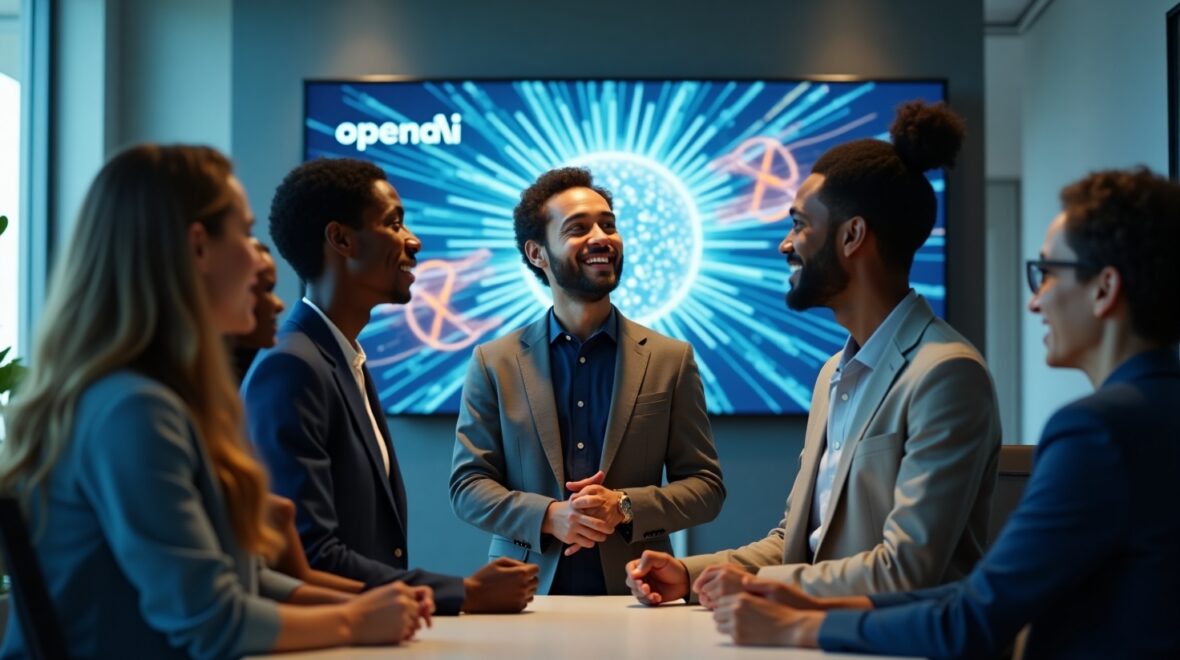
OpenAI Cerebras Deal: A Game-Changer in AI Compute Power
Introduction
In a landmark partnership that promises to reshape the AI landscape, OpenAI has announced a multi-year deal with the AI chipmaker Cerebras. This agreement, reportedly worth over $10 billion, is significant as it aims to enhance OpenAI’s computational capabilities to support the growing demand for artificial intelligence. The infusion of 750 megawatts of computing power, expected between 2026 and 2028, underscores the importance of AI compute deals in advancing technology. As companies increasingly recognize the need for powerful processing systems, this collaboration shines a light on the evolving dynamics of AI development and application.
Background
OpenAI stands as a leading innovator in artificial intelligence, known for its cutting-edge research and the development of groundbreaking technologies such as ChatGPT. Cerebras, on the other hand, specializes in AI hardware, offering unique solutions that can outperform traditional graphics processing units (GPUs) like those from Nvidia.
The OpenAI Cerebras deal is a strategic initiative to harness Cerebras’ specialized AI hardware that boasts unparalleled processing speeds and efficiencies. With the expected delivery of 750 megawatts of computing power, OpenAI aims to revolutionize the processing time needed for AI tasks. Unlike the conventional GPU systems, which can sometimes bottleneck performance, Cerebras’ offerings pave the way for enhanced large model performance and meet the growing demand of real-time AI applications.
Current Trends in AI and Computing
The AI landscape is currently witnessing unprecedented growth, driven by the demand for larger models that require superior computational power. Consequently, AI compute deals like that of OpenAI and Cerebras are becoming increasingly common. As companies vie for a competitive edge, the partnership reflects a shift toward strategic collaborations in AI.
Industry players are recognizing the importance of diverse computing resources to optimize performance and responsiveness. For instance, tech giants like Google and Amazon are also pursuing similar partnerships to bolster their AI capabilities. The trend indicates a comprehensive movement towards unprecedented collaboration in the sector, as firms seek to integrate advanced technologies rapidly.
Insights from Industry Leaders
Key figures in the industry have not shied away from commenting on the implications of this transformative deal. Andrew Feldman, CEO of Cerebras, noted, \”just as broadband transformed the internet, real-time inference will transform AI.\” This sentiment resonates with the promise that real-time AI interactions will enhance user experiences by providing quicker, more context-aware responses.
Further highlighting the impact of this partnership, Sachin Katti from OpenAI stated, \”Cerebras adds a dedicated low-latency inference solution to our platform. That means faster responses, more natural interactions, and a stronger foundation to scale real-time AI to many more people.\” This insight illuminates how the integration of Cerebras’ hardware can facilitate the evolution of AI inference capabilities.
Future Forecast: What This Means for AI
The implications of the OpenAI-Cerebras deal extend beyond just enhanced compute power. The partnership is expected to not only boost the performance of large models but also manipulate the very structure of AI applications, enabling real-time use on a scale not previously feasible.
Predictions suggest a blossoming future for AI as new startups could emerge, inspired by this diversification in hardware solutions. This move can lead to a more robust AI infrastructure, providing novel applications that enhance everyday tasks. Expect to see more advancements in various sectors, including healthcare, finance, and education, driven by superior AI capabilities that stem from this collaboration.
Call to Action
As we continue to witness the rapid developments in AI, particularly through partnerships like that of OpenAI and Cerebras, it’s crucial to stay informed. The advancements in AI compute capabilities not only shape technological landscapes but also influence our daily lives in profound ways. We invite you to share your thoughts on how these developments might impact AI technology in the future.
For more details about this groundbreaking deal, check out the full article at TechCrunch.
By keeping the conversation alive, we can better understand the evolving dynamics of AI and how they will inform the technologies of tomorrow.

Understanding Grok AI Ethics: Navigating the Landscape of Responsible AI Use
Introduction
In an era where technology and ethics collide, understanding Grok AI ethics has become paramount. The recent developments in AI image manipulation highlight the complexity of nonconsensual AI content. As we move towards 2026, the implications of these themes loom large, necessitating a critical examination of how AI is intertwined with ethical standards and regulatory frameworks.
Background
With tools like Grok, founded by Elon Musk and integrated into the platform X, AI image manipulation has sparked intense debates about ethical boundaries. The utilization of AI in generating images has evolved to a point where algorithmic capabilities can create realistic outputs that challenge our notions of consent and representation. Recently, the platform X implemented restrictions to bar the editing of images of real people in revealing clothing in jurisdictions where such actions are legally prohibited. The UK government and Ofcom’s proactive response underscores the growing urgency for AI regulation. These measures reflect an acknowledgement that without vigilance, technological advancements can outpace ethical considerations.
For instance, the prohibition of sexualized AI deepfakes demonstrates the tension between innovation and accountability. While the implementations by Grok aim to create a safer digital environment, they also highlight the challenges in policing AI-generated content. As observed in the UK, stepping into the regulatory landscape will require not only vigilance but significantly more robust laws.
Current Trends
Recent developments have illustrated the ongoing transformation in how AI technologies are perceived and utilized. Grok’s newly established restrictions against editing images of real individuals serve as a significant trend towards responsible AI usage. The backlash against lapses in AI ethics has precipitated questions concerning users’ awareness about the implications of nonconsensual AI content. Are users equipped with the understanding required to navigate this landscape responsibly?
As public sentiment grows against deepfakes, the expectation for accountability increases. The actions taken by Grok reflect a proactive approach to AI regulation that prioritizes ethical boundaries. However, the AI ethics backlash also points to a more profound issue: the capability of companies to adopt ethical practices in the face of regulatory pressures. As we look toward 2026, the prospect of users grappling with legal ramifications and ethical dilemmas adds an additional layer of complexity to industry practices.
Insights from Regulatory Bodies
The response from government entities, particularly in the UK, indicates a concerted effort to strengthen laws against nonconsensual deepfakes. Ofcom’s capacity to enforce regulatory changes, alongside the threat of fines for platforms like X, serves as a warning to the industry. This escalating scrutiny on how platforms handle AI image manipulation is a clear signal that a more robust regulatory framework is on the horizon.
Promotion of accountability reflects the ongoing dialogue about Grok AI ethics within the tech community. As quoted, \”we have implemented technological measures to prevent the Grok account from allowing the editing of images of real people in revealing clothing.\” These steps not only align with societal expectations but also provide insight into how organizations might respond to regulatory requirements in the future.
However, there are significant challenges ahead. The feasibility of enforcing these regulations while navigating diverse global laws raises questions about compliance, particularly for multinational platforms. As the UK explores its own regulations, the dialogue will likely expand to include conversations about the implications of AI regulation in 2026, shaping the future of digital freedom and individual rights.
Future Forecast
As we approach 2026, the landscape of AI regulation will evolve dramatically, characterized by increased pressures from both the public and regulatory bodies on platforms like X. The projected increase in accountability will hinge on compliance with ethical standards as societal awareness regarding nonconsensual AI content grows. Platforms that fail to adapt will face not only public backlash but potentially costly legal repercussions.
The ongoing AI ethics backlash signifies that the development of AI technologies will need to be coupled with ethical evaluations and regulatory compliance. Users will demand to understand how AI outputs could potentially infringe their rights, serving as a catalyst for companies to prioritize ethics. The lessons learned from Grok’s approach could pave the way for other AI developers to implement similar constraints, creating a collective industry standard that champions ethical use.
Call to Action
Stay informed about the rapidly changing world of Grok AI ethics by subscribing to our newsletter. Engage in discussions about responsible AI use and ensure your voice is heard as we navigate the challenges posed by nonconsensual AI content. Collectively, we can push for a digital space that prioritizes ethics, creativity, and respect.
—
In conclusion, as we witness the evolution of AI technology and its intersection with ethics and regulation, understanding Grok AI ethics will be critical for individuals, companies, and regulators alike. By contributing to the dialogue, we stand at the forefront of shaping a responsible AI future.

Unleashing Productivity with Anthropic Cowork AI Agent: Revolutionizing Everyday Tasks
Introduction
In the fast-paced world we inhabit, efficiency and productivity are paramount. Enter the Anthropic Cowork AI agent, a cutting-edge tool that aims to transform how we approach everyday workflows. By leveraging this innovative AI technology, users can streamline their daily tasks, particularly those that involve managing local files. The Cowork AI agent integrates seamlessly with the Claude macOS desktop app, allowing it to become a vital asset for professionals seeking to enhance their productivity.
Background
The Anthropic Cowork AI agent is a remarkable advancement in the realm of artificial intelligence. Originating from Anthropic’s broader ecosystem, it operates at the heart of the Claude macOS desktop app, specializing in tasks typically deemed mundane, such as file organization and document management. With capabilities that mirror those of the Claude AI agent, this tool allows users to create, edit, and manage files within user-selected folders.
The Anthropic Cowork AI agent operates on the same foundational technology as the Claude Code, further enabling agentic AI workflows. This relationship is pivotal as it allows the Cowork AI agent to function effectively across various platforms, enhancing its usability for various applications. For example, think of it as a skilled personal assistant who not only understands your preferences but can also navigate your digital workspace with finesse.
Trend
As businesses continue to embrace the digital revolution, the trend of utilizing AI local file system agents like the Cowork AI agent is gaining momentum. Users are increasingly incorporating such tools into their workflows, automating processes that were once manual and time-consuming. The Cowork AI agent stands out by enabling automation in document management, spreadsheet creation, and more.
According to a recent article from MarkTech Post, \”the Cowork AI agent allows users to run agentic workflows on local files for non-coding tasks,\” underscoring its practical applications in everyday operations (MarkTech Post, 2026). By using AI to handle routine tasks, professionals can focus on more strategic aspects of their work, thus promoting efficiency across teams. As this trend grows, it marks a significant shift towards a future where automation and AI are intrinsic to how we conduct our business and manage our documents.
Insight
One of the standout features of the Anthropic Cowork AI agent is its commitment to user safety and control. The agent operates with explicit file system scoping, meaning it can only read, edit, and create files in designated folders, providing users with peace of mind. Safety measures, such as user consent and confirmation prompts, are vital in ensuring that the AI respects user preferences and privacy.
Moreover, the ability to integrate with external services via connectors and execute browser-based workflows enhances the Cowork AI agent’s functionality. Imagine having a smart assistant who can execute tasks across multiple platforms, streamlining your day-to-day processes and providing real-time updates on task progress. This capability underscores the importance of the Cowork AI agent, positioning it as an essential productivity tool for anyone looking to optimize their workflow. As the integration of AI continues to evolve, we can expect even more sophisticated features that further enhance productivity.
Forecast
Looking ahead, the future of agentic AI workflows seems promising. With ongoing developments in AI capabilities and increasing demand for user customization, we can anticipate significant advancements in tools like the Cowork AI agent. The potential for integration with a broader range of project management tools, such as Asana and Notion, is particularly noteworthy. This could allow users to transmute their ideation and planning phases into execution within a unified environment.
In addition, as AI becomes more sophisticated, we might witness enhanced learning algorithms that adapt to individual user workflows, further optimizing personal productivity. Imagine an AI that learns your habits, preferences, and project styles, allowing it to anticipate your needs and act proactively. Such advancements could redefine the role of AI agents in the workplace, making them indispensable for professionals across various fields.
Call to Action
If you’re intrigued by the capabilities of the Anthropic Cowork AI agent, now is the time to explore its functionalities. By subscribing to the Claude Max plan, you can harness the full power of this local file system agent and unlock enhanced productivity in your daily operations. Embrace the future of work and discover how AI can automate and simplify your tasks, allowing you to focus on what truly matters.
Explore further about this innovative tool through the insightful write-ups available, such as the one from MarkTech Post, and stay ahead in the evolving landscape of productivity tools. For more information on the Cowork AI agent, visit MarkTech Post.