What No One Tells You About AI’s Impact on Super Bowl Advertisements
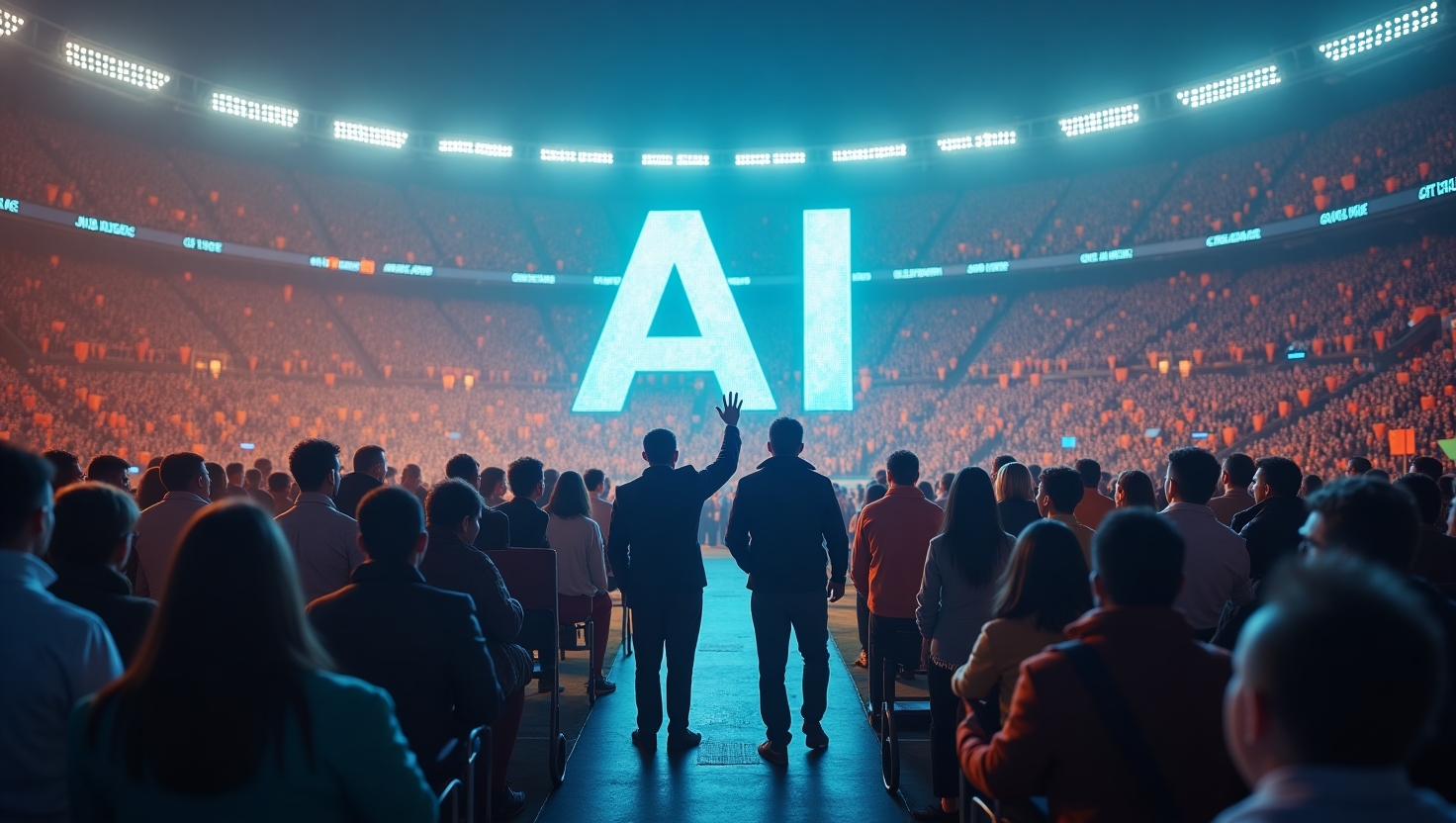
The Rise of Super Bowl AI Ads: Transforming Marketing Strategies
Introduction
In recent years, the landscape of Super Bowl advertisements has dramatically shifted, incorporating artificial intelligence (AI) at the forefront. From AI-generated characters to interactive experiences, brands are leveraging cutting-edge technology to reshape how they engage with consumers during one of the most-watched events in television history. The integration of AI in marketing strategies not only enhances audience engagement but also reflects a broader trend towards innovation and efficiency in advertising.
Background
The evolution of AI marketing has been a transformative journey, resonating profoundly within the media landscape. Over the past decade, advancements in machine learning and data analytics have redefined how brands approach consumers. The emergence of intelligent algorithms capable of predicting consumer behavior has allowed companies to craft highly personalized advertisements that resonate on an emotional level.
For instance, brands like Svedka and Anthropic have incorporated AI to create engaging and memorable ads. Svedka’s AI-generated ads featuring lifelike robot characters showcase the sophistication of technology in capturing audiences’ attention. These advancements signal a fundamental shift toward a marketing model where AI plays a pivotal role, enhancing effectiveness and creativity.
Current Trend
The 2026 Super Bowl saw a remarkable surge in AI ads, with notable examples that captured both attention and imagination. Svedka’s commercial, utilizing advanced AI to generate robot characters, took around four months for conceptualization and execution. Similarly, Anthropic showcased its new AI chatbot, Claude, with the tagline “Ads are coming to AI. But not to Claude,” which highlights the brand’s commitment to providing an ad-free experience amidst the crowded AI space of OpenAI’s ChatGPT (TechCrunch, 2026).
Prominent companies like Amazon, Google, and Wix have also entered the AI advertising arena, blending humor with technological innovation. For instance:
– Ring launched its AI Search Party feature, dedicating its ad to reuniting lost pets with their owners.
– Meta highlighted its AI wearable technology, pushing the boundaries of user interaction.
Statistics from the 2026 Super Bowl indicated a significant uptick in viewer engagement and brand recall associated with AI-led commercials, suggesting a favorable reception from the audience.
Insights from 2026
As we reflect on the insights gleaned from 2026, it becomes apparent that AI advertising is not just a passing trend; it’s redefining consumer perceptions. The integration of AI in advertisements influences how audiences connect with brands, prompting deeper engagement and interest. For example, Ring’s AI Search Party not only highlights technological advancements but also builds an emotional narrative that resonates with pet owners.
Moreover, the effectiveness of AI tools in enhancing marketing strategies is evident. Companies are exploring innovative uses of AI to personalize consumer experiences, as seen with Hims & Hers, which employs AI-powered MedMatch technology for healthcare suitability. However, this rise in automation raises questions about the creative job market in advertising, sparking debate on the balance between human creativity and AI efficiency.
Future of AI in Advertising
As we look ahead, the future of AI in advertising appears bright yet complex. Emerging technologies promise to shape the landscape, with innovations like Meta’s AI wearable technology paving new paths for interaction in advertising. This continued focus on AI could lead to an unprecedented level of personalization, wherein ads could adapt in real-time based on audience reactions.
However, brands will face challenges in adapting to these swift changes. As AI-driven tools become more prevalent, maintaining the delicate balance between harnessing technology and preserving human creativity in advertising will be essential. Companies must navigate this evolving landscape with caution, ensuring that they stay ahead of trends while being mindful of ethical considerations.
Conclusion and Call to Action
The rise of Super Bowl AI ads marks a pivotal moment in the evolution of marketing strategies, demonstrating how technology can enhance the consumer experience and redefine brand interactions. As we witness brands embrace AI, it’s crucial for marketers to reflect on these changing dynamics and consider integrating these innovative technologies into their own strategies.
The future of advertising will undoubtedly be shaped by AI, presenting both opportunities and challenges. Are you ready to embrace the future of advertising? Consider the role that AI could play in your marketing approach and how it can elevate your brand narrative.
For further insights on this topic, check out the detailed article here.