The Hidden Truth About Fair Compensation in AI-Generated Art and Music
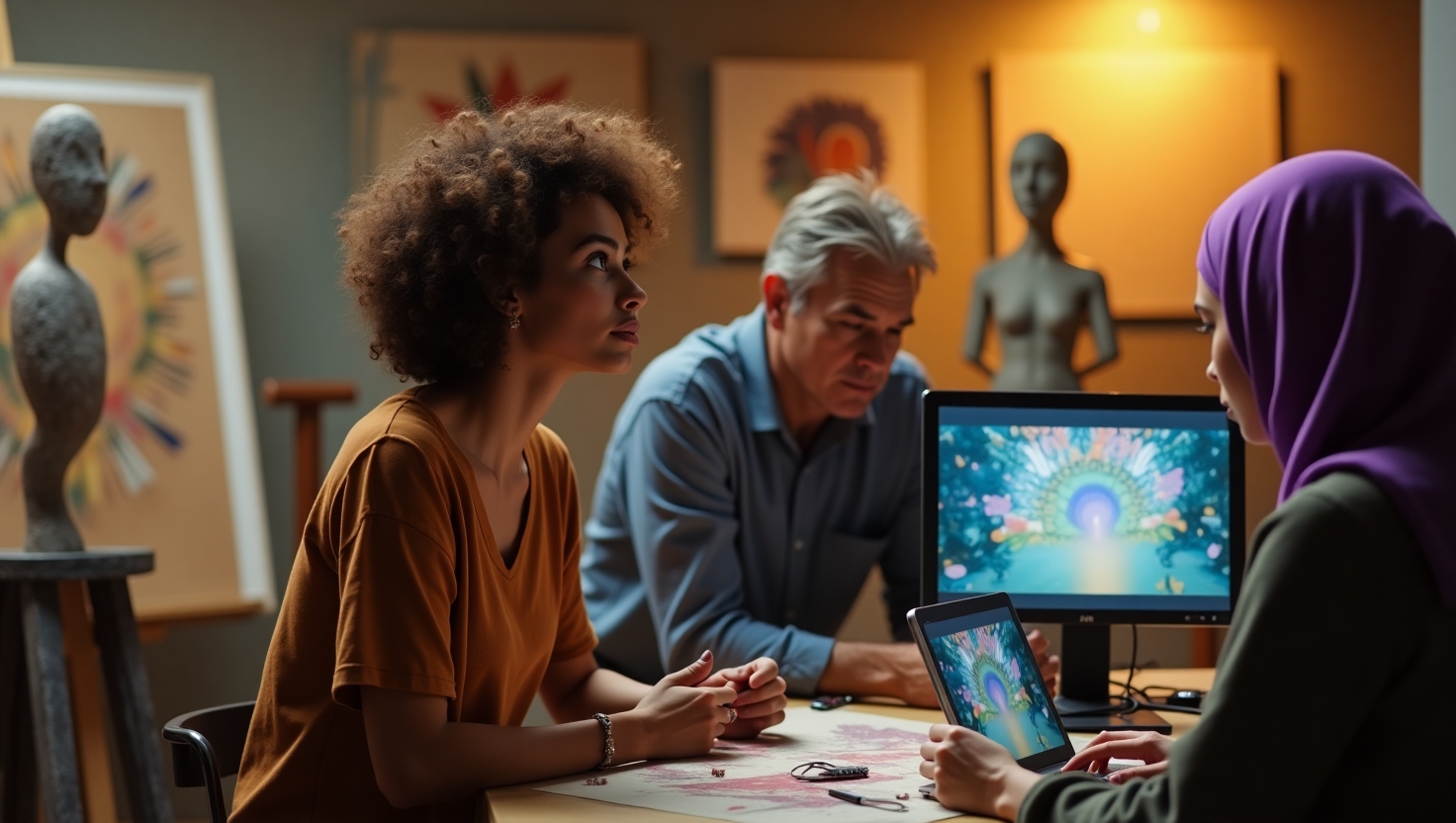
Navigating Ethical AI Royalties: Ensuring Fair Compensation in the Age of Innovation
Introduction
In today’s rapidly advancing digital landscape, ethical AI royalties have emerged as a critical topic of discussion among creators, technologists, and policymakers. As artificial intelligence revolutionizes content creation, the complex relationship between AI-generated works and copyright law raises significant ethical questions about ownership and compensation. This blog post explores the intricacies of AI content transparency, the implications of copyright reforms, and the urgent need for fair compensation models ensuring that artists receive what they rightfully deserve.
Background
To fully grasp the importance of ethical AI royalties, one must understand the fundamental concept of AI content transparency. This transparency helps delineate the inherently fuzzy lines between creator and creation in a world where machines are increasingly capable of generating artistic works. For years, artists have grappled with evolving copyright frameworks that struggle to keep pace with technological advancements, particularly as AI infiltrates both music and visual arts.
Challenges of AI in Content Creation
For instance, imagine a painter who has spent years honing their craft, only to face competition from an AI that can produce vivid landscapes in a matter of seconds. This scenario creates a dilemma where human creators question their value and the sustainability of their professions. Historical copyright laws simply weren’t designed to address these new-age challenges—leaving artists vulnerable and questioning their rights.
The growing prevalence of AI in content creation raises questions about ownership, leaving creators unsure of how to claim their rightful royalties. Advocates argue that ethical AI royalties must prioritize doing justice to human creativity while adapting to the realities of AI-generated content.
Current Trends in AI and Royalties
The rise of AI-generated music and other artistic forms has initiated a paradigm shift in how we think about royalties. One of the most promising developments is the rise of micropayment models, which allow for more granular compensation methods. In this new framework, artists could be compensated in real-time for each interaction or usage of their work, ensuring a fairer distribution of revenue, much like how musicians can now earn through streaming platforms such as Spotify and Apple Music.
Analyzing the Trends
As AI technologies improve, traditional models of royalty distribution struggle to accommodate their rapid growth. Currently, many artists find themselves earning far less than they should for their labor due to outdated systems entrenched in conventional practices. With the advent of micropayment models, the goal of fair artist compensation becomes more attainable, though implementation remains a challenge.
Royalties must balance the interests of consumers, technology companies, and content creators alike, making it imperative for all stakeholders to engage in conversations around new compensation frameworks that would accommodate AI’s unique contributions to art.
Insights on Copyright Reforms
Exploring insights from the article by Devin Partida, \”THE AI ENGINE IS THE NEW ARTIST: RETHINKING ROYALTIES IN AN AGE OF INFINITE CONTENT,\” we see how urgent copyright reforms are needed to address the intricacies of AI-generated artistic works. The piece emphasizes the importance of creating legal frameworks that evolve alongside technological advances.
The Necessity of New Legal Frameworks
Current copyright structures are inadequate for handling scenarios that involve AI as a creator. Much like how traditional birth certificates document human births, a legal “birth certificate” for AI-generated content could play a vital role in defining ownership. Without these vital reforms, creators risk losing their rights as the line blurs between human and machine-generated outputs.
For substantial progress, policymakers must work in collaboration with technologists to develop frameworks that clarify roles, responsibilities, and rights in the context of AI-generated content.
The Future of Ethical AI Royalties
What does the future hold for ethical AI royalties? As we look ahead, we can anticipate that the landscape surrounding artistic ownership and compensation will change significantly. Given the ongoing discussions about copyright and artist compensation, changes in public sentiment are likely.
Potential Developments in Legislation and Technology
For instance, we may see lawmakers introducing updated legislation that explicitly addresses geolocation-based royalties, allowing for artists to be compensated differently based on where their work is viewed or streamed. Furthermore, digital platforms may begin harnessing blockchain technology, enabling transparent tracking of usage and ownership in real-time. This could provide artists with a robust tool to advocate for fair treatment.
The role of technology in reshaping public perception regarding copyright is also expected to expand—ushering in a more ethical approach to AI-generated works where creators are championed rather than sidelined.
Call to Action
As we navigate this new landscape, it’s crucial for creators, technologists, and consumers to advocate for ethical standards and fair compensation models. By joining this dialogue on ethical AI royalties, you can play a part in raising awareness and promoting essential reforms. Share your thoughts and experiences in the comments below or reach out to industry groups dedicated to copyright reforms. Together, we can shape a fairer future for creators in the age of AI.
For further reading on the complexities surrounding AI royalties, visit Devin Partida’s insightful article here.