Mobile Developer
Software Engineer
Project Manager
Mobile Developer
Software Engineer
Project Manager
Tag: Future Tech
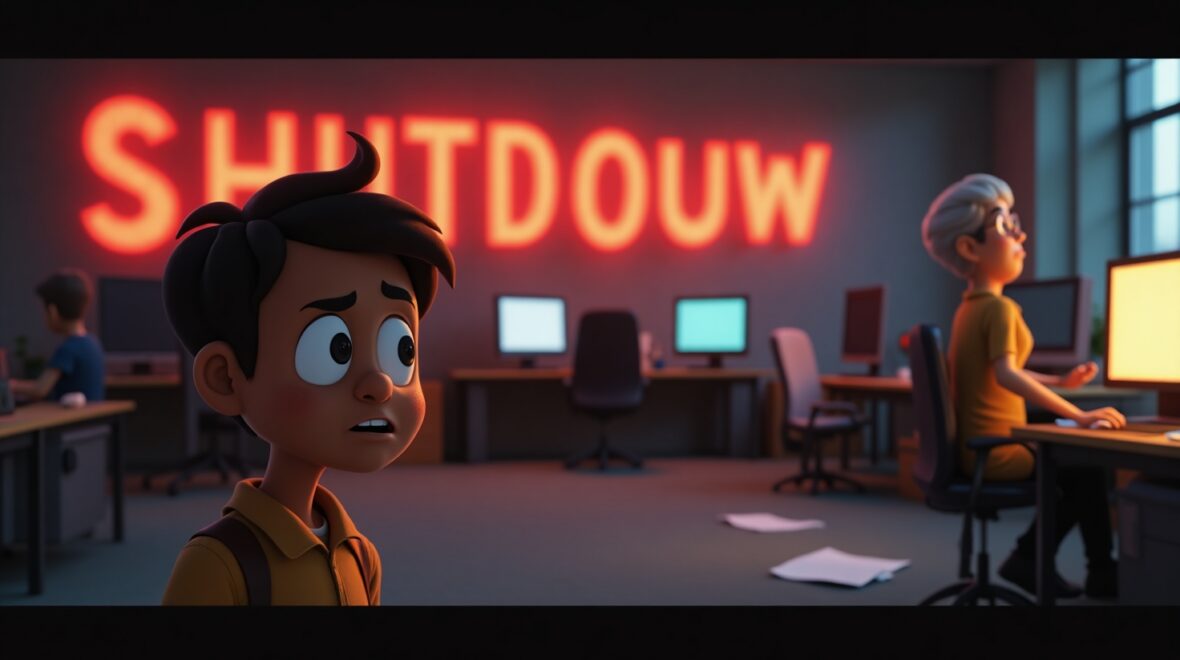
The End of Adobe Animate: What it Means for Creatives in an AI-Driven World
Introduction
As the sun sets on Adobe Animate, a cherished software in the animation community, many users find themselves grappling with the implications of this decision. Announced for discontinuation on March 1, 2026, Adobe is shifting its focus towards AI-driven design tools, signaling a significant change in its product strategy. This transition abandons a tool that has not only supported creativity for over 25 years but also shaped the animation ecosystem in ways that may not be fully replaceable.
Background
Adobe Animate, originally founded as Macromedia Flash, has been a backbone of digital animation since its inception in the early 1990s. With its integration of vector graphics and rich animations, it became essential for web design and digital storytelling. Over its 25-year history, it has enabled creators to develop interactive animations and engaging content, catering to various media channels.
However, in response to evolving technology and creative demands, Adobe plans to shut down the application, leaving users with a sense of uncertainty. While enterprise customers will receive support until March 1, 2029, standard users can rely on assistance until March 2027. This decision raises questions about the future needs of animation professionals as Adobe transitions to a new chapter focused on Adobe AI and other innovative solutions (TechCrunch).
The Trend Towards AI-Driven Design Tools
The discontinuation of Adobe Animate reflects a broader trend within the creative software industry—one increasingly influenced by AI technologies. This shift is not merely a rebranding but a strategic response to user demands for tools that leverage automation to enhance creativity. AI-driven design tools can optimize workflows, offer unique feature sets, and improve speed and efficiency compared to traditional software.
For instance, tools that utilize AI can help automate mundane tasks like asset generation and even create animations with minimal input from the user. This contrasts sharply with Adobe Animate, where creators invested considerable time crafting intricate animations manually. The shift can be likened to the transition from hand-drawn animation to CGI; just as CGI offered new possibilities, AI-driven design promises to extend what is achievable in animation today.
While Adobe suggests users migrate to tools like After Effects and Adobe Express, the question remains whether these applications can adequately replicate the full functionality that Animate provided. The market dynamics are shifting, and how this plays out in real-world applications remains to be seen.
Insight into User Reactions
User response to Adobe’s announcement has been overwhelmingly negative, characterized by disappointment and frustration. Many creative individuals deeply associate Adobe Animate with their identities as animators and found it crucial for executing their artistic visions. One user poignantly stated, \”this is legit gonna ruin my life,\” revealing the emotional weight that this decision carries for professionals who have built their careers on the foundation of the software.
Critics argue that there aren’t sufficient alternatives that replicate the functionality of Adobe Animate. While After Effects and Adobe Express can be suitable for certain tasks, they lack the seamless experience that drawn-out animations and interactive content creation demand. In contrast, software like Moho Animation and Toon Boom Harmony are being embraced by many as potential replacements, albeit with their learning curves and unique features. The dialogue around these feelings of loss and the challenges of adapting to new software highlights the evolving nature of the animation industry on the brink of AI dominance.
Forecasting the Future of Creative Software
As Adobe pivots towards AI-powered tools, speculation surrounding the future of creative software arises. While the transition represents a significant leap forward in productivity and creative capabilities, it also raises concerns about whether Adobe’s new products will align with the nuanced needs of creatives. As they build out this new technological landscape, support for current users until March 2029 might provide some buffer.
It is reasonable to expect that Adobe will likely invest in developing advanced features—like automated animation and AI-assisted design—which could redefine workflows across industries. However, the challenge remains: how will legacy users adjust to this new paradigm, particularly those who thrive on traditional animation methods? The implications for the animation industry could be substantial, with creators needing to evolve alongside cutting-edge tools or risk being left behind.
Call to Action
As we stand at this juncture of creative evolution, it is vital for users to explore alternative animation software and engage in discussions about how AI’s role is shaping creative processes. We encourage the animation community to voice their thoughts and feelings about Adobe’s decision to discontinue Animate. Are the alternatives satisfying enough? What features do you want to see emerge in the AI-driven landscape of creative software? Join the conversation, and let’s navigate this exciting yet uncertain future as a community.

Understanding the AI Deepfake Marketplace: A Comprehensive Guide
Introduction
In recent years, AI deepfakes have surged to the forefront of digital media, capturing the attention of both consumers and professionals. The potential for creating hyper-realistic images and videos powered by artificial intelligence has opened a new frontier for various applications, from entertainment to marketing. However, along with this innovation comes the pressing need to comprehend the various ethical implications and regulations that underpin the use of deepfake technologies. This post aims to navigate the complexities of the AI deepfake marketplace, equipping readers with a thorough understanding of its evolution, current trends, and potential future developments.
Background
AI-generated content refers to digital media that is created through the application of advanced algorithms and deep learning techniques. At its core, deepfake technology employs generative adversarial networks (GANs) to create realistic yet fabricated representations of images or audio. The evolution of digital content has paved the way for such technologies, revolutionizing how we conceive authenticity in media. As we embrace the capabilities of deepfakes, it becomes imperative to engage with deepfake ethics—questions about the morality of content creation and its implications for consent, privacy, and misinformation. Furthermore, conversing about digital content regulation is crucial, as lawmakers face the challenge of adapting to a rapidly changing landscape.
Current Trends in the AI Deepfake Marketplace
The AI deepfake marketplace is experiencing prolific growth, with platforms such as Civitai setting trends in the creation and distribution of AI-generated content. Civitai acts as a hub for creators and users, facilitating access to advanced tools for producing deepfakes. As consumer behavior shifts towards more immersive experiences, businesses are increasingly leveraging these technologies for marketing, content creation, and even training purposes.
– User Engagement: Consumers are engaged with deepfake content due to its novelty and entertainment value. For instance, popular memes utilizing deepfakes can spread rapidly across social media, drawing in new audiences while simultaneously raising concerns about authenticity.
– Marketing Utilization: Brands are experimenting with AI-generated content to conceptualize campaigns that resonate with digital-savvy audiences. The ability to create personalized, interactive content that captures attention is a strategic advantage for businesses navigating the competitive digital landscape.
Insights on Deepfake Ethics and Regulations
As the capabilities of AI deepfakes advance, ethical concerns loom large. For example, the manipulation of public figures’ images could propagate disinformation, raising questions about consent and accountability. Currently, regulations surrounding AI-generated content vary significantly across jurisdictions. While some countries are taking proactive steps toward establishing guidelines, the global nature of the internet complicates enforcement.
– Ethical Considerations: Concerns often arise about the potential for AI deepfakes to invade personal privacy, create fake news, and perpetuate harmful stereotypes. Public discourse remains divided, with many advocating for stricter ethical frameworks to govern these technologies while others emphasize freedom of expression.
– Regulatory Frameworks: Existing regulations tend to focus on specific use cases, such as deepfakes used for political manipulation. However, comprehensive laws that account for the diverse applications of AI-generated content remain largely absent.
Future Forecast of the AI Deepfake Marketplace
Looking ahead, the future of the AI deepfake marketplace will likely hinge on innovation and regulation. As the technology continues to advance, we may see improvements in authenticity metrics, making it easier to discern genuine content from AI-generated materials. Simultaneously, ethical frameworks will need to evolve to address new challenges that arise with emerging technologies.
– Technological Innovations: As deepfake technology improves, we might anticipate sophisticated detection tools emerging alongside them to help users discern reality from fabrication.
– Regulatory Developments: Government entities are increasingly aware of the implications of deepfakes and may implement more robust regulations that enforce ethical standards in the production and distribution of AI-generated content. The future landscape may see collaboration between legislators, technologists, and ethicists towards a more regulated market.
Call to Action
The rise of the AI deepfake marketplace prompts an urgent need for discussion on the complexities of deepfake ethics. We encourage readers to engage in conversations around these evolving issues and stay informed about the latest developments in digital content regulation. To delve deeper into this evolving narrative, check out this insightful article from Technology Review on deepfake marketplaces: The Download: Inside a Deepfake Marketplace.
By understanding the nuances of AI-generated content and its implications, we can foster a culture of informed engagement that balances innovation with responsibility. Let’s continue to explore the vast potential of AI while navigating the ethical complexities that accompany it.

Right-to-Left Text Publishing: Enhancing Accessibility in Multilingual Content
Introduction
In an increasingly interconnected world, the ability to effectively communicate across diverse languages has never been more crucial. As global interactions expand, the need for a robust multilingual publishing system becomes evident—especially for languages such as Arabic, Hebrew, and Persian that utilize right-to-left (RTL) text. Understanding the intricacies of right-to-left text publishing is essential for accommodating diverse audiences and enhancing accessibility. From newspapers to digital content platforms, the importance of RTL text formats is shaping the future of publishing, ensuring that everyone can engage fully with the content.
Background
Historically, traditional publishing predominantly favored left-to-right (LTR) alignment due to the prevalence of languages like English and French in media. However, as the digital landscape evolves, there has been a noticeable shift towards incorporating RTL formatting. Publishers are now confronted with localization challenges when adapting content for languages that read from right to left.
Consider the analogy of a book opened the wrong way; reading becomes cumbersome, and the story loses its flow. Similarly, when publishers neglect to align their content correctly for RTL languages, the reading experience can become jarring for users. Furthermore, cultural nuances play a pivotal role in the localization of content. Minor modifications in layout and design can drastically improve user experience, yet many organizations struggle with these adaptations due to outdated content management systems (CMS) that lack flexibility.
Current Trends
Today, the demand for RTL text publishing is surging across various sectors, including journalism, education, and web content creation. Notably, organizations like The Markup have made headlines by updating their publishing systems to accommodate right-aligned text, demonstrating a commitment to both readability and visual clarity in their reporting. This shift not only enhances user experience but also reflects an understanding of the diverse audience they serve.
The integration of custom CMS solutions is pivotal in this advancement. These versatile platforms enable publishers to effortlessly switch between LTR and RTL formats, allowing for a more seamless approach to content generation. The rise of RTL-friendly tools is making life increasingly manageable for content creators tasked with delivering multilingual content.
Insights from Industry Leaders
Industry experts and organizations are echoing the necessity of accommodating RTL text in publishing systems. Insights from various stakeholders reveal a consensus on the importance of software accessibility for users of Arabic and other RTL languages. For instance, The Markup’s innovative approach to including right-aligned text serves as a model for companies seeking to enhance their accessibility.
Thought leaders emphasize that there is a direct link between improved RTL publishing and audience engagement. By prioritizing these formats, publishers are not only addressing cultural considerations but are also broadening their consumer reach. The enhanced readability of content in RTL languages allows for a more inclusive environment where users feel valued and heard.
Incorporating diverse perspectives encourages creativity and enriches the content landscape. As noted in Hackernoon, The Markup’s transition reflects a broader movement towards technology accountability in journalism, indicating that the fight for equitable access is gaining traction across industries (source).
Future Forecasts
Looking ahead, the future of RTL text publishing seems poised for growth alongside technological innovations, particularly in artificial intelligence and machine learning. As demand for multilingual systems continues to escalate, publishers will have to adapt correspondingly. Advances in AI could facilitate real-time translation and localization, allowing content to be more dynamically aligned to suit the user’s reading preferences.
It is anticipated that as global communication increases, so will the integration of RTL formatting into everyday publishing. This could transform how international brands interact with diverse markets, creating a more cohesive user experience. Furthermore, new tools and platforms will likely emerge to address the unique challenges posed by RTL languages, ensuring that publishers can offer accessible content to all demographics.
Call to Action
As we move towards an increasingly globalized future, it’s essential for content creators and publishers to evaluate their current publishing frameworks for multilingual capability. Assess the methods used to produce RTL text and consider the implications of user experience in your audience’s preferred language. Investing in custom CMS solutions that overcome localization challenges and enhance software accessibility will not only better serve diverse audiences but also foster greater connections in the storytelling universe.
By prioritizing RTL text publishing today, you can pave the way for a more inclusive tomorrow for readers everywhere. With commitment and action, we can ensure that every voice is heard, regardless of the language they speak.

The Rise of AI-Generated Content Backlash: Understanding User Perception
Introduction
In recent years, the landscape of content creation has undergone a seismic shift with the rise of AI-generated content, especially on social media platforms. Major players like Meta and YouTube have adopted various AI technologies to automate and enhance user experiences, leading to a proliferation of content that often reflects quality disparities. As this low-quality output, commonly dubbed \”AI slop,\” engulfs social media feeds, a significant backlash is brewing among users increasingly disillusioned by the sheer volume of subpar material. This backlash is not merely a quest for quality; it represents a fundamental critique of how AI is reshaping our interactions online and our understanding of authenticity.
Background
AI-generated content is often perceived through the lens of convenience and innovation; however, this convenience comes with a heavy price. Terms like \”AI slop\” describe low-quality, quickly-generated media that floods platforms without any substantial vetting. As companies like Meta and YouTube lean heavily into AI technologies, they find themselves wrestling with not only content generation but also content moderation. With streamlined operations, platforms have unintentionally prioritized quantity over quality, leading to a landscape filled with misinformation and confusion.
Today, the ethical challenges posed by AI-generated misinformation are deeply concerning. Users are grappling with the fear that distinguishing between authentic and AI-generated media is becoming increasingly challenging. This extends even to the most discerning viewers, as highlighted by public figures who openly criticize the inundation of fake AI videos that mislead audiences. No longer is it just a matter of aesthetic quality; the ramifications of misinformation are seeping into societal discourse, challenging what users can trust—and aggravating already existing mistrust in digital platforms.
Current Trend
The trends surrounding AI-generated content cast a shadow over social media, particularly with the rise of fake AI videos. User dissatisfaction is palpable, as many individuals voice their frustrations with the flood of AI slop that compromises genuine engagement. One notable instance is that of Théodore, an activist who created an account to spotlight the bizarre and misleading world of AI-generated videos. He vividly described his experiences, saying, “It boggled my mind. The absurd AI made images were all over Facebook and getting [a] huge amount of traction without any scrutiny at all—it was insane to me” (source).
Such experiences are becoming increasingly commonplace. For example, research conducted by the AI content generation platform Kapwing revealed that approximately 20% of content served to new YouTube users consists of what can be classified as \”low-quality AI video\” (source). The implications extend to broader concerns about attention spans as well; experts like Alessandro Galeazzi warn that this influx of nonsensical content threatens to diminish our capacity to engage intellectually. In an age where every scroll can lead to authentic or fake content, the line between entertainment and authenticity blurs perilously.
Key Insights
A growing body of insights from experts captures the tension between AI-generated content and traditional content creation. A defining challenge lies in navigating the ethical dilemmas posed by technological advancement; is the pursuit of innovation worth the cost of quality? As users become more aware of AI misinformation, there’s a growing demand for a nuanced understanding where the distinctions between real and fabricated are clearer.
Public opinion is increasingly skeptical, and the demand for platforms to rectify the balance of innovation and authenticity is palpable. Efforts are required not only in moderating content but also in educating users about differentiating genuine interactions from fake representations. Tools that empower users to discern AI-generated misinformation are not just optional; they are increasingly imperative for a healthier social media ecosystem.
Future Forecast
Looking ahead, the role of AI-generated content in social media may evolve into a dichotomy: it could either improve user engagement through personalized, high-quality experiences or exacerbate existing issues by overwhelming users with misinformation. As the backlash evolves, we may see emerging infrastructure designed to verify the authenticity of AI-created media. New platforms may also rise, promising \”slop-free\” alternatives while taking user trust into account.
As the digital landscape confronts these changes, we might witness the emergence of tools that aid detection, helping users navigate the complexities of misinformation. There exists potential for a more responsible form of content creation that balances innovation with the need for higher standards of authenticity—even under the grasp of AI technologies. Moving forward, cultivating a culture of accountability will be integral to ensuring that social media can reclaim its role as a platform for informed dialogue.
Call to Action
As we navigate this complex landscape of AI-generated content, we encourage readers to actively engage in discussions surrounding this critical issue. Consider exploring platforms and tools designed to help identify AI-generated misinformation, and share your thoughts and experiences on social media. Let’s address concerns of content quality and authenticity together, striving for a better understanding of the challenges that lie ahead in the age of AI.
For further insights, explore related articles that delve into the complexities of AI-generated content and its implications in our digital age. You can also take part in the conversation on various social media platforms, amplifying your voice in this increasingly important discussion.
Related Articles
– \”The Rise of AI-Generated Content on Social Media\” – A critical examination of the implications behind AI slop and user experience.