The Hidden Truth About Tesla’s Full Self-Driving Software and Its Controversial Subscription Model
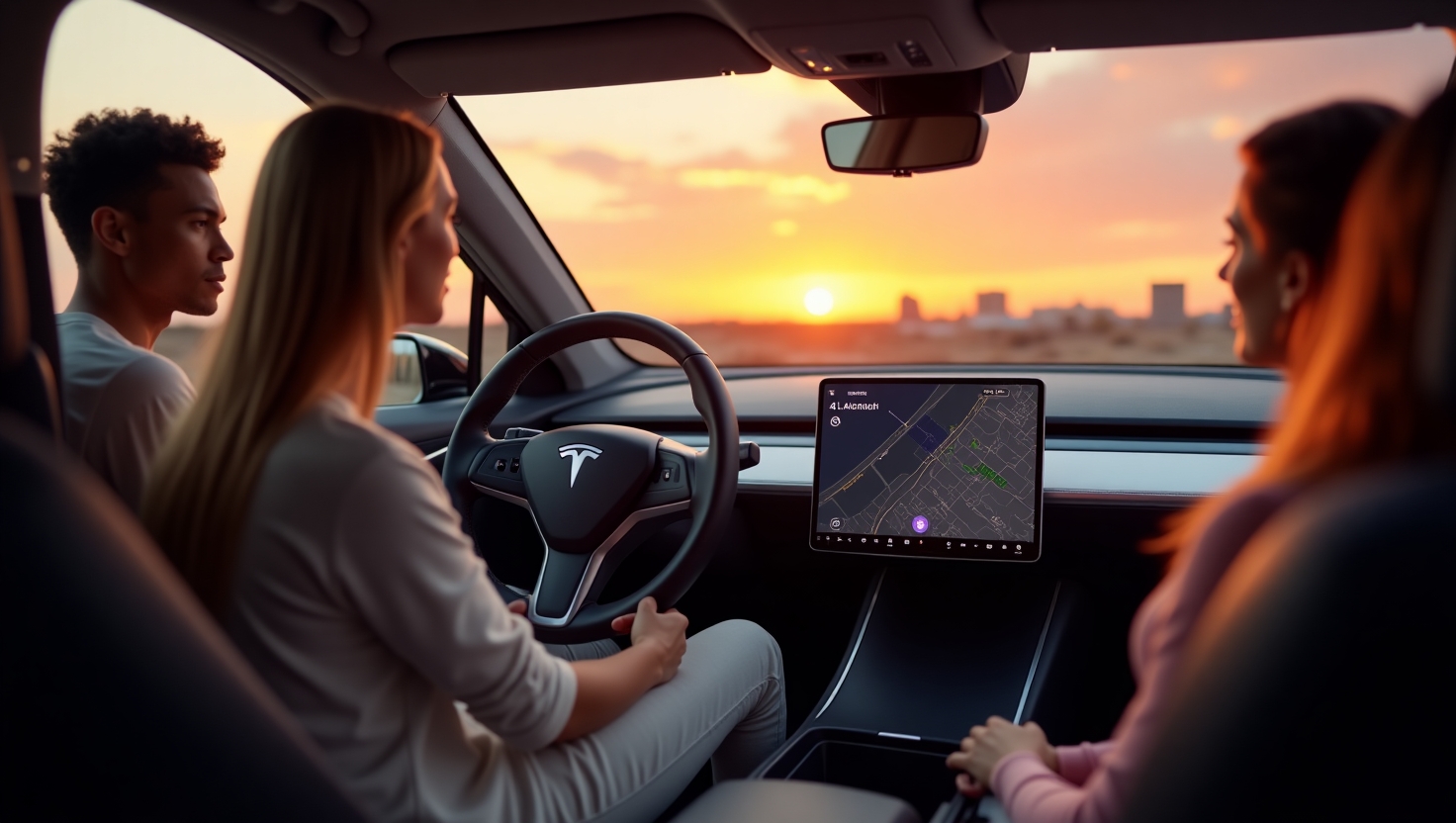
The End of Tesla Autopilot: A Shift Towards Full Self-Driving Software
Introduction
In a groundbreaking shift, Tesla has announced the discontinuation of its Autopilot system. This decision carries significant implications not only for current and prospective Tesla owners but also for the wider landscape of driver assistance systems and the future of autonomous vehicles. With an eye toward advanced Full Self-Driving (FSD) software, Tesla aims to redefine autonomy in the automotive realm.
Background
Launched in the early 2010s, Tesla’s Autopilot was heralded as a revolutionary driver assistance system. By 2019, it became a standard feature across most Tesla models. However, there has been a longstanding confusion among consumers regarding the true capabilities of Autopilot versus Tesla’s FSD features, which promise a higher level of autonomy. Misalignment in marketing has contributed to misunderstandings, with Tesla occasionally overstating what the system can do.
Recently, the National Highway Traffic Safety Administration (NHTSA) imposed a 30-day suspension on Tesla’s manufacturing and dealer licenses in California, citing deceptive marketing practices surrounding Autopilot’s capabilities. This scrutiny exposes risks associated with marketing autonomous technology, highlighting a precarious balancing act between innovation and regulatory compliance.
Historically, Autopilot’s rollout has been tainted by safety issues, with several crashes linked to over-reliance on the technology by consumers. Tesla’s assertion that \”the car can drive itself\” has led to tragedies, prompting questions about accountability and regulatory oversight.
Current Trend
With the discontinuation of Autopilot, Tesla is pivoting focus to FSD software, aiming to streamline adoption among its users. The transition from a traditional one-time purchase model to a subscription-based pricing structure for FSD is a critical element of this strategy. While this model could potentially generate a steady revenue stream for Tesla, the early indicators show a slow adoption rate, with only 12% of Tesla customers opting for the software as of late 2025 (TechCrunch).
Statistics reveal that the broader automotive market is experiencing a shift towards more comprehensive driver assistance systems. As competitors across the industry pivot to similar offerings, Tesla’s decision emphasizes the urgency of adopting FSD technology. However, with its current rollout, substantial user buy-in will be necessary if FSD is to succeed.
Insight
Tesla’s strategy to phase out Autopilot in favor of FSD signifies an aggressive approach to secure its foothold in the so-called future of driving. By phasing out Autopilot, Tesla aims to clarify its messaging and demonstrate a commitment to true autonomous capabilities, something echoed by industry analysts.
“Moving away from Autopilot is a bold move by Tesla, as they seek to realign consumer expectations and improve safety perceptions,” stated an industry expert. Furthermore, through the lens of regulatory pressures, this decision reflects an effort to comply with safety standards while re-establishing brand credibility.
Consumer perceptions remain crucial, especially as safety scrutiny mounts. Many customers have reported feeling misled regarding the actual capabilities of Autopilot, raising questions about trust and transparency.
Forecast
The decision to discontinue Autopilot is poised to reshape Tesla’s sales and customer retention strategies. As more automakers enter the autonomous vehicle market, the pressure may push Tesla to rapidly innovate or risk losing its competitive edge. By 2026, developments in autonomous vehicle regulations and safety standards will likely evolve, potentially mandating stricter compliance measures across the board.
The shift may further influence consumer choices, compelling them to reassess their reliance on traditional driver assistance systems. As the industry moves toward greater levels of autonomy, it is anticipated that companies will refine systems to meet future regulatory and consumer demands.
In conclusion, consumers must reconsider their perceptions of autonomous vehicles as Tesla embarks on this crucial transition. Understanding the implications of these changes could help guide purchasing decisions and preferences moving forward.
Call to Action
As Tesla navigates this new terrain, potential buyers should carefully evaluate how these developments may influence their next vehicle purchase. Will you prioritize systems promising higher autonomy, or will you wait for more established safety records? It’s time to rethink how we engage with driver assistance technologies and their evolving role in transportation.
For further insights into Tesla’s discontinuation of Autopilot and the implications for the automotive industry, read more here.