5 Predictions About AI Agent Observability That’ll Shock You
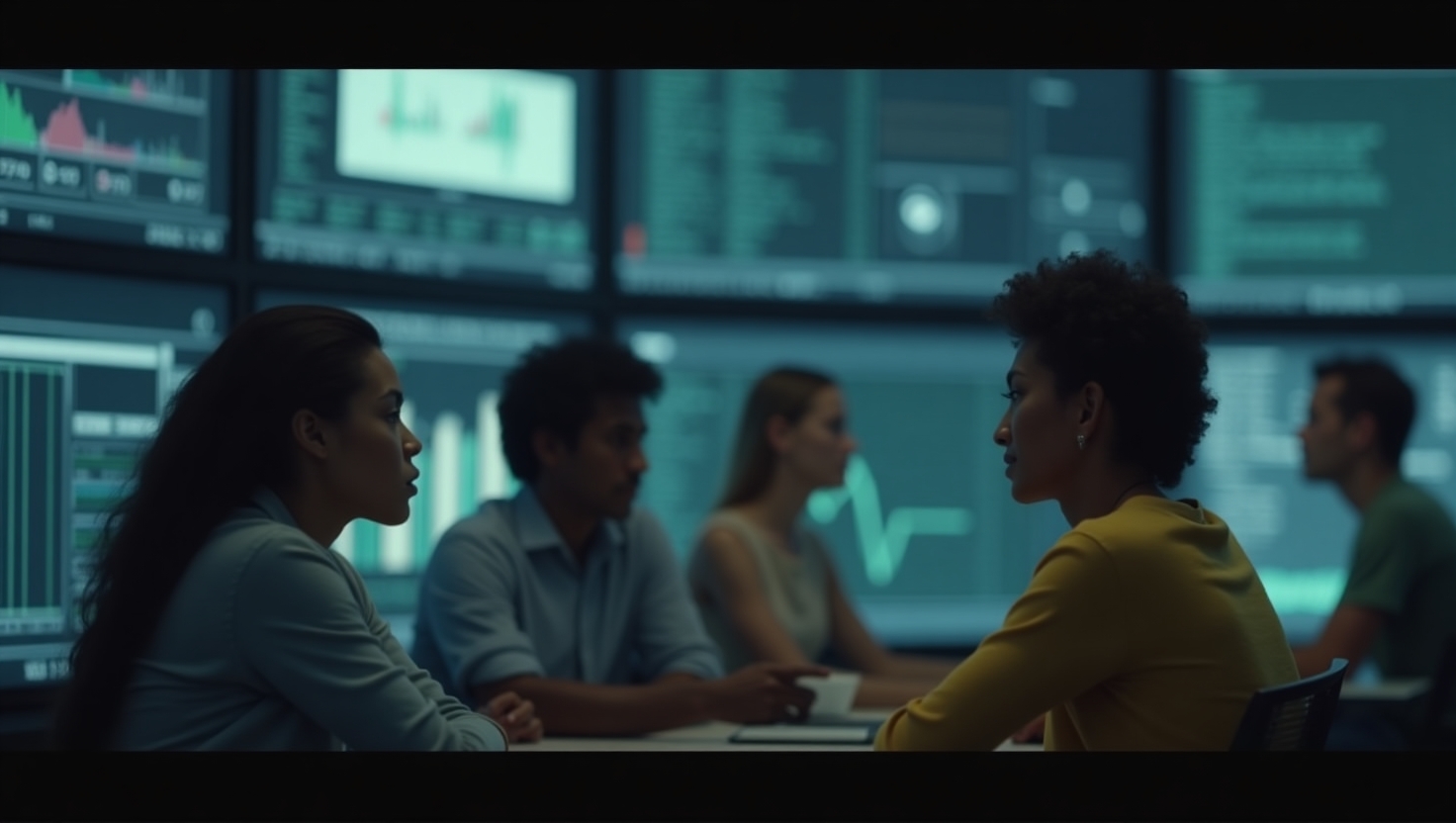
AI Agent Observability: Enhancing Monitoring for Production AI Systems
Introduction
In today’s rapidly evolving technology landscape, AI Agent Observability has become a critical factor for the management of production AI systems. As organizations increasingly deploy AI-driven applications, ensuring the safe and effective monitoring of these systems is paramount. The concept of observability involves not only monitoring performance metrics but also understanding the decision-making processes behind AI outputs. Unlike traditional software systems, AI agents can exhibit complex behaviors that are not easily predictable, making robust observability frameworks essential for reasoned oversight and risk mitigation.
Background
The evolution of AI observability can be traced back to the increasing necessity for transparency and accountability in AI applications. Initially, AI monitoring tools were rudimentary, focused primarily on performance metrics such as latency and throughput. However, as AI systems evolved to incorporate deep learning and other complex algorithms, the need for a more nuanced approach became evident.
One significant initiative shaping the current standards for AI observability is the Agent Observatory. This project aims to provide a framework where AI agents can be monitored without incurring risks, an essential aspect for enterprises deploying production AI systems. The emphasis on transparency aligns with industry demands for responsible AI practices, where the performance and decision-making processes of AI systems must be easily interpretable.
The push for comprehensive observability tools has also invited the rise of open-source AI tooling, empowering organizations to tailor monitoring solutions according to their unique requirements. Such evolution signifies a shift towards transparency and reliability, ensuring that production AI systems can operate at their full potential without compromising on oversight.
Trend
Current trends in AI observability highlight the burgeoning interest in open-source solutions which enable organizations to customize their monitoring strategies. With the growing complexity of AI systems, many companies have begun adopting open-source AI tooling to better understand and manage their production AI systems. This trend not only facilitates adaptability and innovation but also encourages collaboration across the tech community.
One aspect that has significantly influenced technology adoption in the AI industry is the \”Proof of Usefulness\” criteria. This criteria evaluates AI projects based on their real-world applicability and effectiveness. The Agent Observatory, for example, recently garnered a 56 Proof of Usefulness score, underscoring its potential for practical integration within organizations looking to enhance the observability of their AI agents.
An analogy can be made to a well-maintained vehicle: just as a car manufacturer must provide clear dashboards and indicators to ensure drivers understand their vehicle’s status, AI systems require tools that guarantee their comprehensive monitoring and interpretation. The rise of open-source solutions is crucial as they allow entities to construct their “dashboards,” ensuring that they have complete transparency regarding their AI agents’ performance and decision-making capabilities.
Insight
Recent studies and expert commentary have shed light on the pressing issues and opportunities surrounding AI agent observability. According to Darshan Parmar, a Senior Software Engineer specializing in AI and backend systems, the challenges primarily stem from the complexity and opacity of machine learning models. These systems often behave in unpredictable ways, making it difficult for organizations to ascertain their reliability without robust observability frameworks.
Building upon the achievements of the Agent Observatory, which scored a notable 56 on the Proof of Usefulness scale, it has become evident that effective AI observability can significantly mitigate risks associated with the deployment of AI systems. Parmar encourages organizations to invest in AI monitoring tools that not only track performance but also support ongoing model interpretation and debugging.
Incorporating insights from recent articles and studies demonstrates how the emphasis on observability will pave the way for the next generation of AI agents, allowing for increased trust and accountability within production environments. Such efforts are essential as more organizations look to harness AI while ensuring compliance with ethical standards and regulatory requirements.
Forecast
Looking to the future, advancements in AI monitoring tools are expected to significantly transform the landscape of AI observability. As organizations face increased scrutiny over the ethical implications and decision-making transparency of AI systems, we can anticipate the development of regulatory frameworks specifically targeted at enhancing AI observability.
Moreover, we may witness the expansion of hackathon competitions that champion practical AI utility in observability. Past events, such as the Proof of Usefulness hackathon, highlight the potential for collaborative innovation in this space, encouraging participants to create solutions that bridge the gap between AI complexity and user oversight.
As organizations continue to navigate the complexities of AI systems, adopting effective observability practices will be pivotal. The convergence of regulatory pressures, demand for transparency, and opportunities offered by open-source solutions will lead to a future where AI agent observability is not only an industry standard but also a driving force for innovation.
Call to Action
To remain competitive and responsible in the evolving landscape of AI technologies, organizations must explore AI monitoring tools that enhance observability. It is essential to engage in the ongoing discourse around the challenges and solutions in this domain. We encourage our readers to dive deeper into the resources mentioned throughout this article, and consider participating in discussions or events focused on AI observability. Together, we can create a safer and more effective future for production AI systems.
For more insights on the Agent Observatory, check out this detailed article on Hackernoon which highlights critical developments and findings that are shaping the future of AI agent observability.