The Hidden Truth About Adobe’s AI-Focused Future: What It Means for Artists
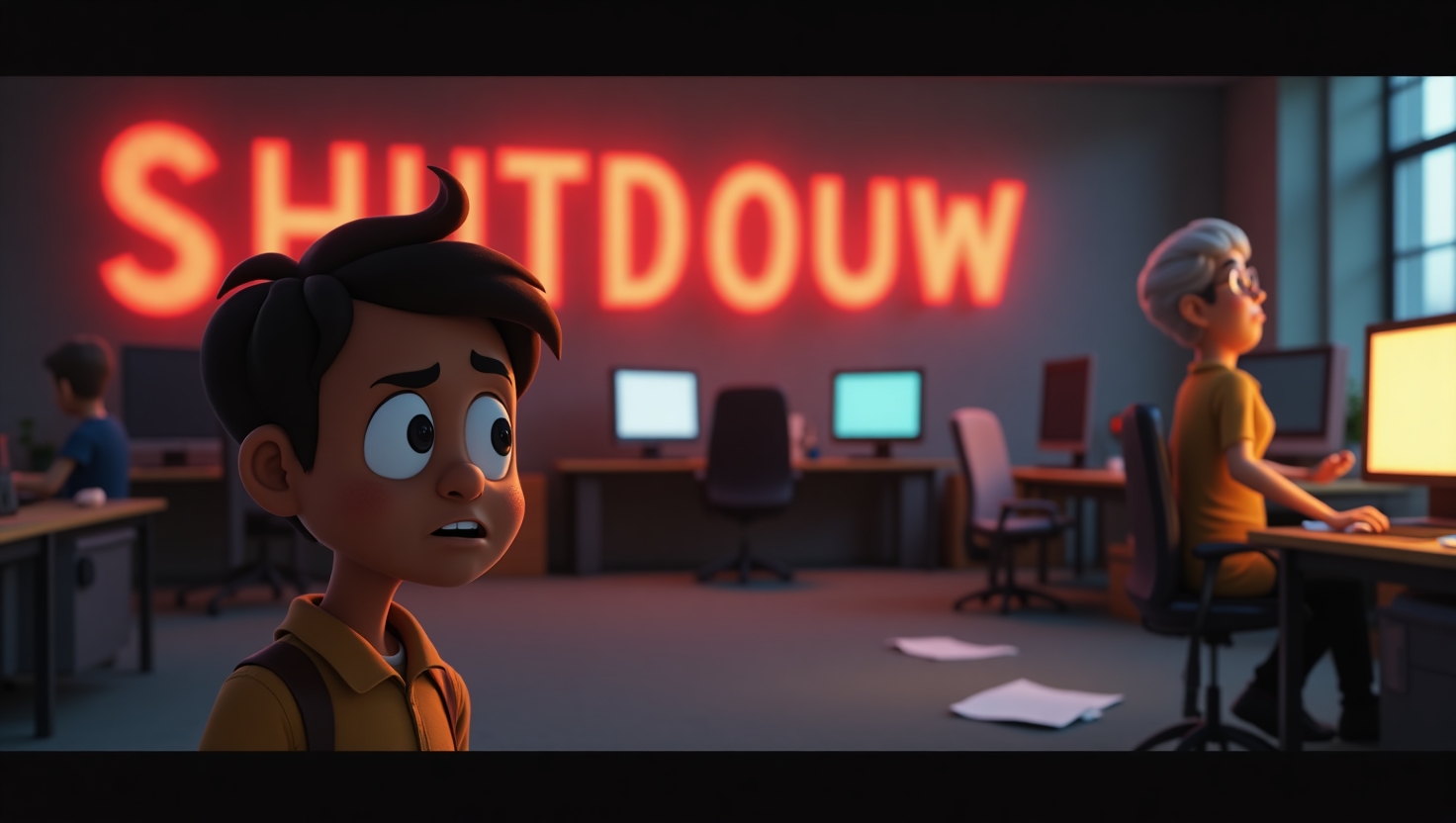
The End of Adobe Animate: What it Means for Creatives in an AI-Driven World
Introduction
As the sun sets on Adobe Animate, a cherished software in the animation community, many users find themselves grappling with the implications of this decision. Announced for discontinuation on March 1, 2026, Adobe is shifting its focus towards AI-driven design tools, signaling a significant change in its product strategy. This transition abandons a tool that has not only supported creativity for over 25 years but also shaped the animation ecosystem in ways that may not be fully replaceable.
Background
Adobe Animate, originally founded as Macromedia Flash, has been a backbone of digital animation since its inception in the early 1990s. With its integration of vector graphics and rich animations, it became essential for web design and digital storytelling. Over its 25-year history, it has enabled creators to develop interactive animations and engaging content, catering to various media channels.
However, in response to evolving technology and creative demands, Adobe plans to shut down the application, leaving users with a sense of uncertainty. While enterprise customers will receive support until March 1, 2029, standard users can rely on assistance until March 2027. This decision raises questions about the future needs of animation professionals as Adobe transitions to a new chapter focused on Adobe AI and other innovative solutions (TechCrunch).
The Trend Towards AI-Driven Design Tools
The discontinuation of Adobe Animate reflects a broader trend within the creative software industry—one increasingly influenced by AI technologies. This shift is not merely a rebranding but a strategic response to user demands for tools that leverage automation to enhance creativity. AI-driven design tools can optimize workflows, offer unique feature sets, and improve speed and efficiency compared to traditional software.
For instance, tools that utilize AI can help automate mundane tasks like asset generation and even create animations with minimal input from the user. This contrasts sharply with Adobe Animate, where creators invested considerable time crafting intricate animations manually. The shift can be likened to the transition from hand-drawn animation to CGI; just as CGI offered new possibilities, AI-driven design promises to extend what is achievable in animation today.
While Adobe suggests users migrate to tools like After Effects and Adobe Express, the question remains whether these applications can adequately replicate the full functionality that Animate provided. The market dynamics are shifting, and how this plays out in real-world applications remains to be seen.
Insight into User Reactions
User response to Adobe’s announcement has been overwhelmingly negative, characterized by disappointment and frustration. Many creative individuals deeply associate Adobe Animate with their identities as animators and found it crucial for executing their artistic visions. One user poignantly stated, \”this is legit gonna ruin my life,\” revealing the emotional weight that this decision carries for professionals who have built their careers on the foundation of the software.
Critics argue that there aren’t sufficient alternatives that replicate the functionality of Adobe Animate. While After Effects and Adobe Express can be suitable for certain tasks, they lack the seamless experience that drawn-out animations and interactive content creation demand. In contrast, software like Moho Animation and Toon Boom Harmony are being embraced by many as potential replacements, albeit with their learning curves and unique features. The dialogue around these feelings of loss and the challenges of adapting to new software highlights the evolving nature of the animation industry on the brink of AI dominance.
Forecasting the Future of Creative Software
As Adobe pivots towards AI-powered tools, speculation surrounding the future of creative software arises. While the transition represents a significant leap forward in productivity and creative capabilities, it also raises concerns about whether Adobe’s new products will align with the nuanced needs of creatives. As they build out this new technological landscape, support for current users until March 2029 might provide some buffer.
It is reasonable to expect that Adobe will likely invest in developing advanced features—like automated animation and AI-assisted design—which could redefine workflows across industries. However, the challenge remains: how will legacy users adjust to this new paradigm, particularly those who thrive on traditional animation methods? The implications for the animation industry could be substantial, with creators needing to evolve alongside cutting-edge tools or risk being left behind.
Call to Action
As we stand at this juncture of creative evolution, it is vital for users to explore alternative animation software and engage in discussions about how AI’s role is shaping creative processes. We encourage the animation community to voice their thoughts and feelings about Adobe’s decision to discontinue Animate. Are the alternatives satisfying enough? What features do you want to see emerge in the AI-driven landscape of creative software? Join the conversation, and let’s navigate this exciting yet uncertain future as a community.