5 Alarming Predictions About the Rise of AI Burnout That Every Leader Must Face
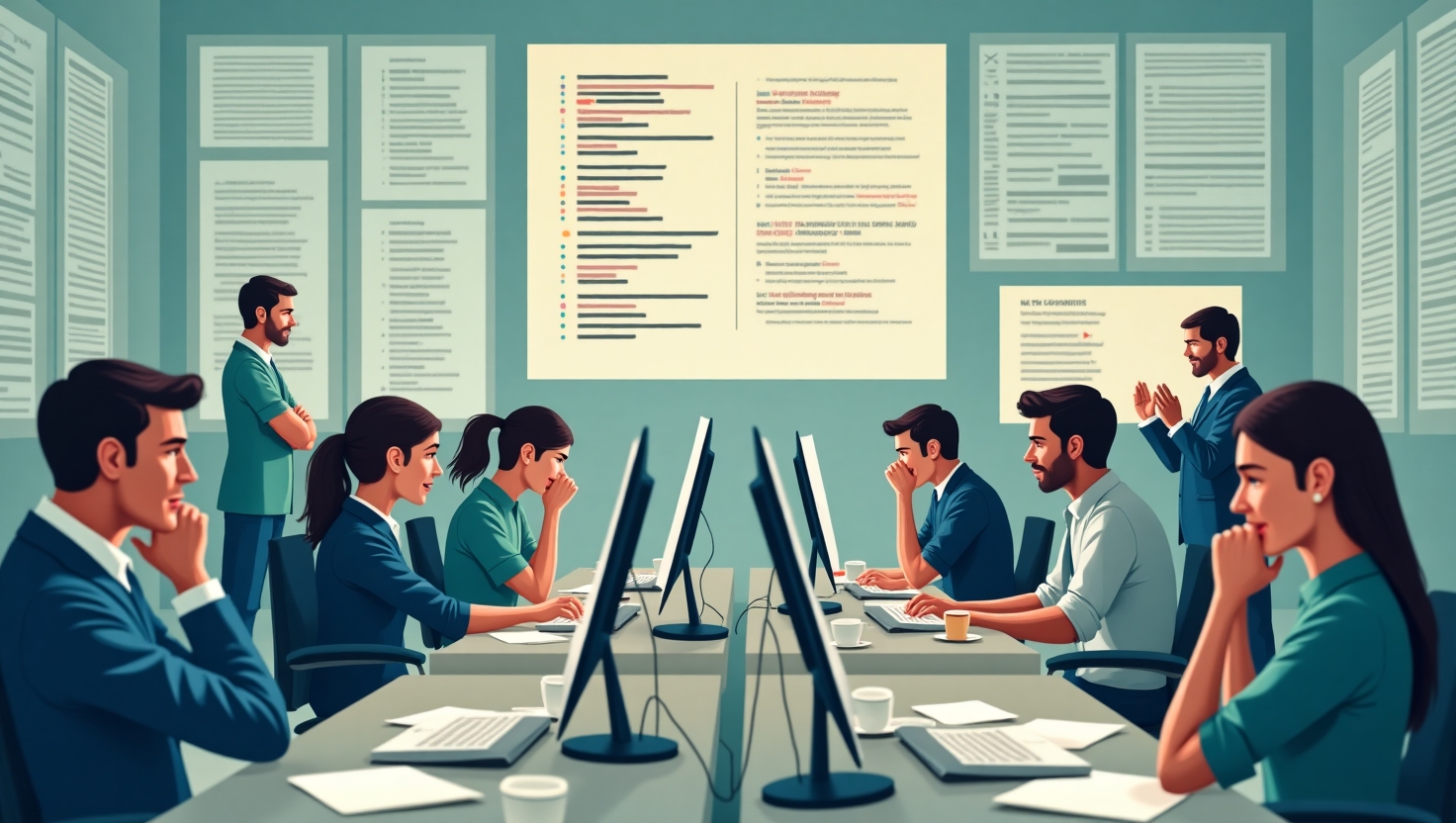
Understanding AI Burnout Symptoms at Work
Introduction
As artificial intelligence (AI) becomes an integral part of modern workplace environments, it promises to revolutionize productivity and efficiency. However, this fast-paced integration can also lead to a phenomenon increasingly recognized in corporate discussions: AI burnout symptoms. This issue is becoming critical as workers frequently find themselves overwhelmed by the demands placed on them in an AI-enhanced workspace. Recognizing and understanding these symptoms is not just important for maintaining productivity; it is also vital for the mental health of employees navigating this evolving landscape.
Background
The impact of AI on workload is substantial. In many workplaces, AI tools are reshaping traditional roles, automating baseline tasks, and introducing new responsibilities that require employees to adapt quickly. According to a recent study from the McKinsey Global Institute, companies that adopt AI tools report a 20-30% increase in productivity. However, this boost in performance often comes at a price—an increase in workload and, consequently, stress.
Consider the example of a marketing team that once managed campaigns personally. Now, they might rely on AI analytics to drive their strategies. While this tool can process data faster than any human, the team may find themselves working longer hours to dig deeper into these data insights and create impactful strategies. This shift invariably correlates with the rising mental health challenges linked to AI adoption, emphasizing the need for employers to consider new management strategies.
Trend
Recent trends highlight that as companies increasingly integrate AI systems, they also overlook critical aspects—namely, the mental health of their employees. A TechCrunch article on AI burnout underscores that those who embrace AI the most often exhibit the earliest signs of burnout. These employees may feel pressured to be constantly connected and available, leading to an ongoing cycle of overwork.
Statistics from a Harvard Business Review study reveal that employees utilizing AI tools report 52% higher anxiety levels compared to those in non-AI environments. This staggering figure demonstrates the urgent need to address the psychosocial impacts of AI in the workplace. As workers adapt to the faster-paced demands of an AI-enhanced workflow, organizations must take proactive measures to protect employee welfare.
Insight
Understanding and recognizing the signs of AI burnout symptoms is crucial for any organization. Industry experts suggest that employers foster open discussions about mental health and workload expectations. These conversations can help destigmatize the challenges associated with adopting AI and demonstrate to employees that their well-being is valued.
Psychologically, the rapid transition to AI technology can make employees feel like they are racing against the clock. They may compare their productivity against the expected efficiency of AI tools, leading to unhealthy self-expectations. Anecdotally, many find themselves feeling overwhelmed, akin to a marathon runner who has suddenly been required to sprint the last leg of a race without preparation.
Considering the perspectives on AI adoption, it is essential to integrate conversations about employee experiences. Discussions on employee productivity in relation to mental health can not only reduce feelings of isolation but also empower employees to seek support and develop coping strategies.
Forecast
Looking ahead, the future of work amidst growing AI technologies appears demanding yet full of potential. Organizations will likely confront the necessity of adapting their management strategies to mitigate AI burnout symptoms. The focus will shift towards prioritizing mental health as a cornerstone of workplace culture.
Predictions suggest that companies may soon implement structured employee check-ins, mental health days, and professional development opportunities aimed explicitly at fostering resilience amid technological change. As organizations realize that employee well-being directly impacts productivity, the need for strategies that bridge satisfaction and efficiency will drive corporate policies.
Call to Action (CTA)
As we delve deeper into an AI-centric work environment, it’s crucial for employees to assess their own surroundings for signs of AI burnout symptoms.
– Evaluate your workload: Are you feeling consistently overwhelmed?
– Implement management tools: Use digital solutions to track project progress and manage workloads effectively.
– Engage in community discussions: Share your experiences and insights with colleagues to foster a supportive engagement.
By building a community conversation around mental health in the age of AI, we empower ourselves and our workplaces.
For those interested in exploring this topic further, consider reading the TechCrunch article on AI burnout. Let’s work together to create workplaces that are not just productive but also supportive of our mental and emotional health.