Why AI Super Bowl Advertising Is About to Change Everything for Brands
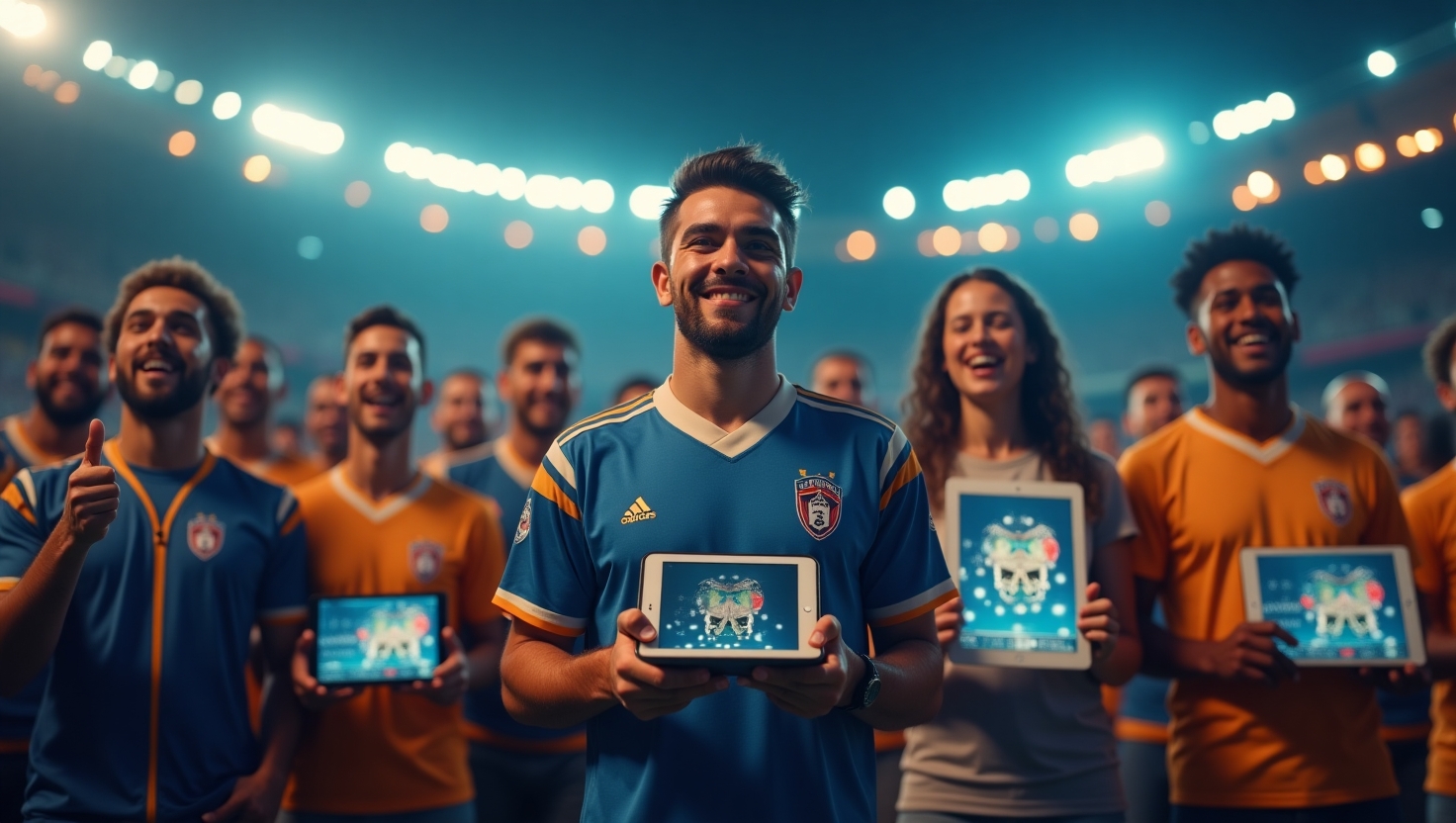
The Rise of AI Super Bowl Advertising: A New Era in Marketing
Introduction
The world of advertising is undergoing a seismic shift, particularly in high-stakes environments like the Super Bowl. As one of the most-watched sporting events, the Super Bowl has always been a battleground for brands vying for attention through imaginative and memorable ads. As we usher in 2026, the integration of AI into advertising strategies has become a defining feature, giving rise to AI Super Bowl advertising as a prominent theme. AI isn’t just a tool for efficiency—it’s revolutionizing the way brands communicate with their audiences. This post explores the explosive landscape of AI marketing and how brands are leveraging artificial intelligence to create engaging Super Bowl ads that break through the noise.
Background
The evolution of Super Bowl ads has closely followed advancements in technology and consumer behavior. In the early years, advertisements tended to focus heavily on celebrity endorsements and elaborate production values. As digital technology emerged, brands began to integrate online content, creating campaigns that not only reached viewers during the game but also extended their reach through social media and digital platforms.
Today, the integration of AI marketing marks a pivotal shift. Instead of relying solely on human creativity, advertisers are using AI to analyze audience data, optimize messaging, and create personalized experiences. The 2026 Super Bowl showcased this trend vividly, with brands employing AI technology in innovative ways, signaling a shift towards automated creativity and strategic precision in advertising content.
Current Trends
In the 2026 Super Bowl, several brands showcased the capabilities of AI in Super Bowl ads, sparking both excitement and debate among viewers. One standout example was Svedka’s ad, “Shake Your Bots Off,” which is notable for being the first primarily AI-generated national Super Bowl commercial. The production process involved four months of work, where AI was trained to mimic the facial expressions and body movements of robot characters, demonstrating AI’s potential to merge creativity with technology.
Anthropic also made headlines with a humor-infused jab at OpenAI, featuring its Claude chatbot in a delightful ad that emphasized how “Ads are coming to AI. But not to Claude”. This playful rivalry showcased how competitive AI companies can leverage humor to engage audiences.
Other major brands like Meta, Amazon, and Google followed suit. Meta featured AI-powered Oakley glasses, while Amazon’s Alexa+ cleverly tackled fears surrounding AI through a comedic lens. Furthermore, Ring unveiled its AI-assisted pet-finding feature in an ad that highlighted community engagement. Google introduced its Nano Banana Pro model, designed for image generation, reflecting how AI can enhance creative possibilities. The general audience reaction to these innovative ads suggests a growing acceptance of AI-generated content within mainstream media, raising questions about the future of creativity in advertising.
Insights and Analysis
The effectiveness of AI in crafting engaging Super Bowl ads stems from its ability to analyze large data sets, enabling brands to create targeted content that resonates with their audiences. Consumers today expect personalized experiences, and AI allows brands to deliver that at scale. For instance, AI can recommend the perfect ad timing, optimize messaging in real-time, and even create ad variations tailored for specific demographics.
However, this raises a critical balance between technology and creativity. While AI can provide data-driven insights, the human touch remains essential for creating emotional connections. As brands increasingly rely on brand AI strategy, understanding how to blend data analytics with emotional storytelling will determine success.
Consumer perception of AI in advertisements can be a double-edged sword. While some appreciate the use of AI for its creativity and efficiency, others might perceive it as impersonal or intrusive. It will be crucial for brands to address these concerns upfront to maintain trust and engagement.
Future Forecast
Looking beyond the 2026 Super Bowl, AI technology will undoubtedly shape future advertising strategies. The rise of advanced AI tools means brands will have more opportunities than ever to innovate their campaigns, leading to entirely new ways of engaging with consumers. As we move forward, we can expect to see:
– Emerging AI marketing tools: New platforms could arise that offer even greater personalization and automation capabilities.
– Greater integration of AR and VR: AI may well play a pivotal role in combining augmented reality experiences with traditional advertising, providing immersive experiences for consumers.
– Ethical considerations: As AI becomes more prevalent in marketing, brands will face challenges in navigating ethical issues surrounding data privacy and consumer manipulation.
Nonetheless, the integration of AI into advertising strategies won’t be without its challenges. Brands must remain vigilant about handling consumer data ethically and transparently, ensuring that technology serves to enhance the consumer experience rather than detract from it.
Call to Action
As we gear up for an increasingly AI-driven future, brands need to consider how artificial intelligence can improve their marketing strategies. Whether through a fresh approach to ad creation or a data-heavy strategy tailored closely to audience needs, the possibilities are vast. For those eager to delve deeper into AI marketing and the latest trends in Super Bowl advertising, consider exploring resources and articles on AI innovations in marketing. Prepare to embrace this exciting new chapter in the advertising realm!
For further insights, check out related articles such as TechCrunch’s coverage of the 2026 Super Bowl ads. The integration of AI isn’t just a trend—it’s a revolution, and it’s here to stay.