The Hidden Truth About Waymo’s International Robotaxi Fleet and Its Safety Controversies
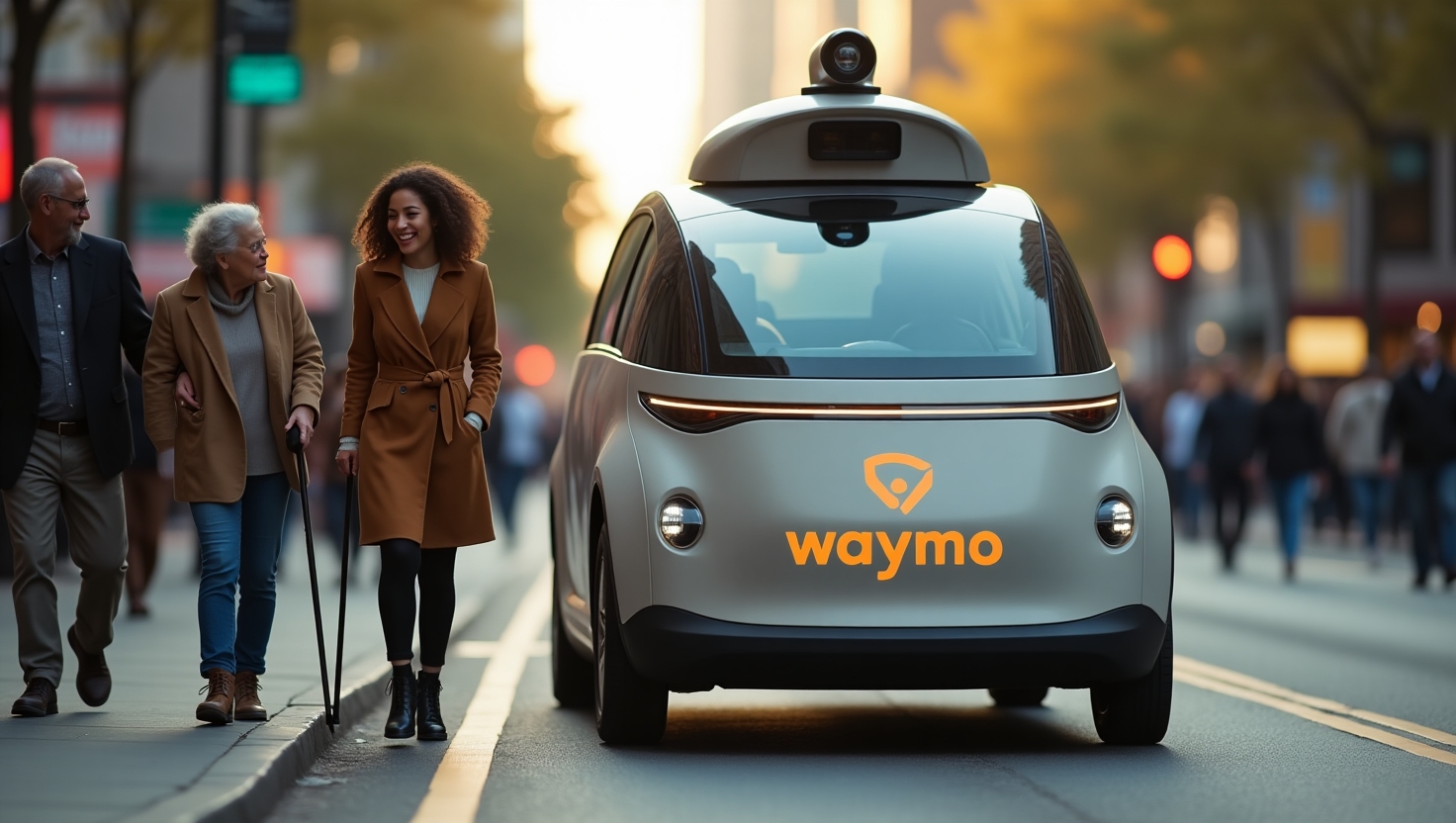
Waymo’s Robotaxi Funding: A New Era for Autonomous Transportation
Introduction
In a significant move that could reshape the landscape of autonomous transportation, Waymo’s recent funding success has set the stage for a new era in the robotaxi sector. Raising an impressive $16 billion, Waymo has solidified its position as a leader in the industry, looking to expand its robotaxi fleet globally. This influx of capital underscores the growing interest in Waymo robotaxi funding, reflecting both the potential of self-driving technology and the appetite of investors for innovation in transportation.
Background
The global shift towards autonomous vehicles has been dynamic, with Waymo at the forefront of this development. As one of the first companies to extensively test and deploy self-driving technology on public roads, Waymo has become synonymous with cutting-edge advancements in transportation. The company has successfully navigated a challenging funding landscape, accumulating a staggering $16 billion across various funding rounds, leading to a valuation of $126 billion.
Currently, Waymo’s operations reflect this success, with the company providing around 400,000 weekly rides across key metropolitan areas in the U.S. This remarkable achievement not only illustrates the demand for their robotaxi services but also highlights the broader acceptance of autonomous solutions among consumers. As Waymo moves forward, their focus will shift from proving the practicality of their technology to scaling operations efficiently while ensuring the highest safety standards.
Current Trends in Robotaxi Fleet Scaling
Funding trends for robotaxi fleet scaling have seen a substantial uptick, particularly with Waymo leading this charge into various international markets. The company’s forthcoming expansion into cities like London and Tokyo signifies its commitment to leveraging opportunities for growth in the autonomous transportation sector. The demand for efficient and flexible transport solutions has never been greater, especially in urban settings teeming with traffic congestion.
However, this ambitious scaling is not without complications. Safety concerns and ongoing investigations, particularly those conducted by the National Highway Traffic Safety Administration (NHTSA) and the National Transportation Safety Board (NTSB), have cast a shadow over Waymo’s progress. The incidents reported, including dangerous behavior of robotaxis near school zones and hits that resulted in minor injuries, highlight the ethical and operational challenges faced by companies in the autonomous driving space.
Insights into Self-Driving Technology
What sets Waymo’s technology apart from its competitors? The answer lies in its robust, innovative approach to self-driving technology. Waymo has invested significantly in R&D, resulting in advanced features that not only enhance safety but also improve the overall user experience. For instance, their fleet capabilities use a blend of machine learning, high-definition mapping, and real-time sensor data to navigate complex environments safely.
Research indicates that Waymo’s vehicles complete 400,000 rides each week, showcasing their reliability compared to others in the market. As CEO John Krafcik stated, “We are no longer proving a concept. We are scaling a commercial reality.” This perspective is crucial as Waymo navigates government scrutiny, which can significantly influence public perception and the regulatory climate surrounding autonomous vehicles.
Forecast for Waymo and the Robotaxi Industry
Looking ahead, the implications of Waymo’s recent funding on its operations and the robotaxi industry are immense. The projected investments will likely facilitate not only the expansion of its services across more cities but also the refinement of its existing technological capabilities. By 2026, Waymo is expected to launch operations in over 20 additional cities, paving the way for a robust ride-hailing multiplayer service model.
Furthermore, as Waymo forges ahead, one can anticipate continuous technological advancements that enhance safety and user experience. The projections hint at a formidable future where robotaxi services become a staple of urban transport, significantly altering the ride-hailing landscape.
Call to Action
As the autonomous vehicle space evolves, Waymo stands out as a beacon of innovation and ambition. Readers interested in the future of self-driving technology and the ongoing transformation in transportation are encouraged to track Waymo’s journey. For more insights on the future of robotaxi services, consider exploring relevant articles and resources provided in the links below.
– Waymo Raises $16 Billion in Funding
– Additional reading on advancements in autonomous driving technologies and market trends.
The future of autonomous transportation is not just on the horizon; it’s already in motion, and Waymo is leading the way.