Mobile Developer
Software Engineer
Project Manager
Mobile Developer
Software Engineer
Project Manager
Tag: Tesla

Tesla’s Bold AI Investment: Shaping the Future of Automotive Technology
Introduction
In a move that has sent shockwaves through the tech and automotive industries, Tesla has recently announced a staggering $2 billion investment in Elon Musk’s AI venture, xAI. This strategic investment not only reflects Tesla’s ambition to dominate the electric vehicle (EV) landscape but also indicates a significant pivot toward integrating advanced AI technologies into its products and services. As the competition heats up, particularly from juggernauts like BYD, Tesla’s focus on AI in electric vehicles and robotics is more than just a tactical adjustment; it’s a bold bid to redefine the future of automotive innovation.
Background
With its Master Plan Part IV, Tesla is not merely tinkering with electric vehicle technology but reimagining it through the lens of artificial intelligence. This includes the development of groundbreaking products like the Optimus humanoid robot, which poses the question: can a corporation traditionally known for cars also become a leader in robotics? Tesla’s integration of AI in the automotive sector isn’t just a gimmick; it’s a calculated effort to enhance vehicle autonomy and operational efficiency, pushing the boundaries of what’s possible in the realm of transportation.
The implications of this are profound. With competitors like BYD nipping at Tesla’s heels, the stakes have never been higher. As Tesla moves to incorporate the xAI Grok chatbot into its vehicles, it becomes clear that this investment is not just about robotics; it’s also a play for superior customer engagement and a more intuitive driving experience.
Current Trend
The automotive industry is undergoing a seismic shift, as automotive AI investments reshape competitive landscapes. Tesla has taken the lead by not only investing in cutting-edge technologies but also in committing to a long-term vision where AI informs every aspect of vehicle operation. In stark contrast, other automakers are still playing catch-up, scrambling to develop their own AI capabilities to stay relevant.
Consider this: just as the introduction of GPS revolutionized long-distance travel, AI does the same for how we think about moving. Competitors like BYD are increasingly using AI to enhance their electric vehicle offerings, but they still lack the sheer AI breadth and expertise that Tesla is aggressively cultivating through its partnership with xAI. This puts Tesla in a unique position—while others react, Tesla is innovating.
Key Insights
Tesla’s engagement with xAI raises a series of critical questions. What does this partnership truly mean for the future of the automotive industry? The potential outcomes from this $2 billion investment are fodder for both intrigue and skepticism. Here are some pivotal insights to consider:
– Enhanced Vehicle Autonomy: The goal of achieving Full Self-Driving capabilities hinges on Tesla’s advancements in AI. This investment signals the company’s intent to not just increase but revolutionize autonomy in vehicles, perhaps outpacing traditional drivers of the industry.
– Robotics Advancements: As Tesla pivots production to include humanoid robots like Optimus, the implications for manufacturing and mobility are extraordinary. Tesla could dominate a market that combines AI with robotics, potentially creating a feedback loop of innovation and efficiency that no other automaker can match.
– Strategic xAI Partnership: This alliance allows Tesla to leverage AI in electric vehicles beyond mere software updates, enhancing physical product capabilities. With Grok integrated into their offerings, Tesla can provide real-time insights, much like having a co-pilot with limitless knowledge.
Future Forecast
As we look ahead, the trajectory of Tesla within the AI landscape is anything but conventional; if anything, it’s teeming with audacity. Expect Tesla to double down on its focus on robotics and AI-centric projects, diversifying its portfolio beyond just electric vehicles. As Musk himself said, \”This year for Tesla is the first major steps as we increase vehicle autonomy and begin to produce Optimus robots at scale\” (Bloomberg).
There’s a rapid evolution taking place, with projections suggesting Tesla’s shift towards AI could reframe the electric vehicle market entirely. Over the next five years, we might see the emergence of fully autonomous fleets, accompanied by a range of robotic assistants capable of interacting with passengers in ways we have yet to imagine.
Call to Action
So, what does this mean for you? It’s essential to keep a scrutinizing eye on Tesla’s developments in AI and robotics and engage in the wider conversation about how technology is transforming the automotive landscape. Whether you’re an investor, a consumer, or simply an observer of technology trends, understanding Tesla’s journey could offer valuable insights into the future of personal and public transportation. Are you ready to embrace the revolution that is Tesla’s AI investment? Join the discussion as we hurtle toward a wildly innovative future.
—
As the world of automotive AI unfolds, remember to follow the latest updates and analyses that shape your perceptions of these revolutionary changes. For more detailed sources, check out the complete announcements from TechCrunch here and BBC here.
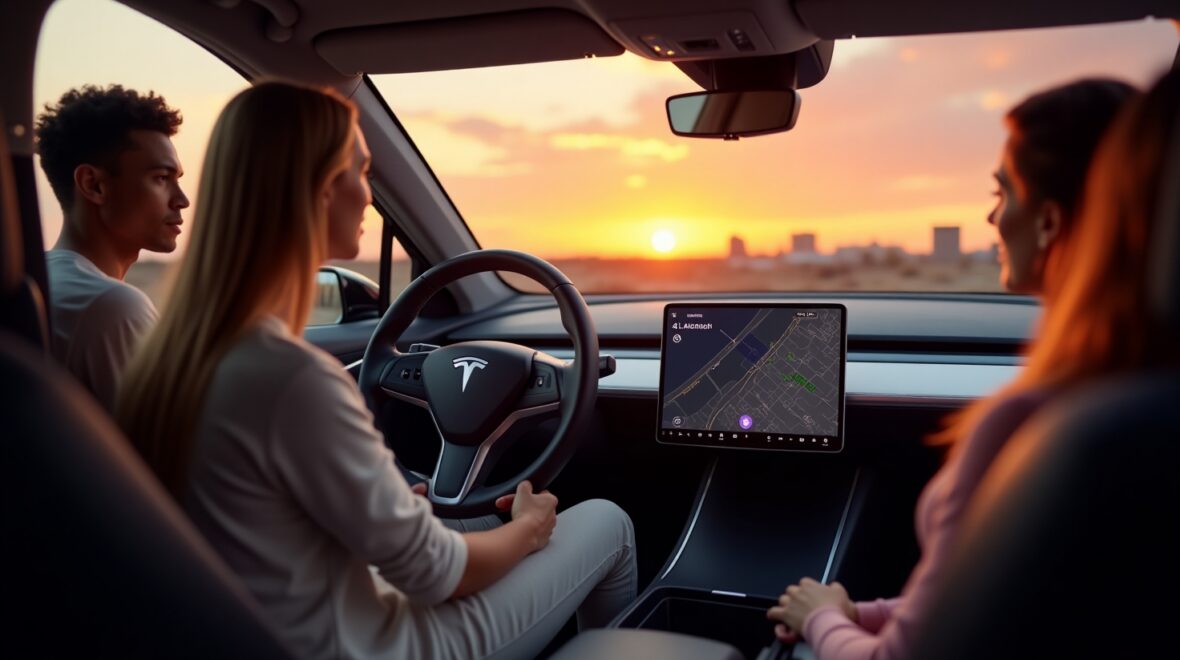
The End of Tesla Autopilot: A Shift Towards Full Self-Driving Software
Introduction
In a groundbreaking shift, Tesla has announced the discontinuation of its Autopilot system. This decision carries significant implications not only for current and prospective Tesla owners but also for the wider landscape of driver assistance systems and the future of autonomous vehicles. With an eye toward advanced Full Self-Driving (FSD) software, Tesla aims to redefine autonomy in the automotive realm.
Background
Launched in the early 2010s, Tesla’s Autopilot was heralded as a revolutionary driver assistance system. By 2019, it became a standard feature across most Tesla models. However, there has been a longstanding confusion among consumers regarding the true capabilities of Autopilot versus Tesla’s FSD features, which promise a higher level of autonomy. Misalignment in marketing has contributed to misunderstandings, with Tesla occasionally overstating what the system can do.
Recently, the National Highway Traffic Safety Administration (NHTSA) imposed a 30-day suspension on Tesla’s manufacturing and dealer licenses in California, citing deceptive marketing practices surrounding Autopilot’s capabilities. This scrutiny exposes risks associated with marketing autonomous technology, highlighting a precarious balancing act between innovation and regulatory compliance.
Historically, Autopilot’s rollout has been tainted by safety issues, with several crashes linked to over-reliance on the technology by consumers. Tesla’s assertion that \”the car can drive itself\” has led to tragedies, prompting questions about accountability and regulatory oversight.
Current Trend
With the discontinuation of Autopilot, Tesla is pivoting focus to FSD software, aiming to streamline adoption among its users. The transition from a traditional one-time purchase model to a subscription-based pricing structure for FSD is a critical element of this strategy. While this model could potentially generate a steady revenue stream for Tesla, the early indicators show a slow adoption rate, with only 12% of Tesla customers opting for the software as of late 2025 (TechCrunch).
Statistics reveal that the broader automotive market is experiencing a shift towards more comprehensive driver assistance systems. As competitors across the industry pivot to similar offerings, Tesla’s decision emphasizes the urgency of adopting FSD technology. However, with its current rollout, substantial user buy-in will be necessary if FSD is to succeed.
Insight
Tesla’s strategy to phase out Autopilot in favor of FSD signifies an aggressive approach to secure its foothold in the so-called future of driving. By phasing out Autopilot, Tesla aims to clarify its messaging and demonstrate a commitment to true autonomous capabilities, something echoed by industry analysts.
“Moving away from Autopilot is a bold move by Tesla, as they seek to realign consumer expectations and improve safety perceptions,” stated an industry expert. Furthermore, through the lens of regulatory pressures, this decision reflects an effort to comply with safety standards while re-establishing brand credibility.
Consumer perceptions remain crucial, especially as safety scrutiny mounts. Many customers have reported feeling misled regarding the actual capabilities of Autopilot, raising questions about trust and transparency.
Forecast
The decision to discontinue Autopilot is poised to reshape Tesla’s sales and customer retention strategies. As more automakers enter the autonomous vehicle market, the pressure may push Tesla to rapidly innovate or risk losing its competitive edge. By 2026, developments in autonomous vehicle regulations and safety standards will likely evolve, potentially mandating stricter compliance measures across the board.
The shift may further influence consumer choices, compelling them to reassess their reliance on traditional driver assistance systems. As the industry moves toward greater levels of autonomy, it is anticipated that companies will refine systems to meet future regulatory and consumer demands.
In conclusion, consumers must reconsider their perceptions of autonomous vehicles as Tesla embarks on this crucial transition. Understanding the implications of these changes could help guide purchasing decisions and preferences moving forward.
Call to Action
As Tesla navigates this new terrain, potential buyers should carefully evaluate how these developments may influence their next vehicle purchase. Will you prioritize systems promising higher autonomy, or will you wait for more established safety records? It’s time to rethink how we engage with driver assistance technologies and their evolving role in transportation.
For further insights into Tesla’s discontinuation of Autopilot and the implications for the automotive industry, read more here.