Mobile Developer
Software Engineer
Project Manager
Mobile Developer
Software Engineer
Project Manager
Tag: Innovation

Harnessing AI in Sports Broadcasting: Revolutionizing the Viewer Experience
Introduction
The integration of AI in sports broadcasting is reshaping the way fans engage with their favorite events. As we look forward to the upcoming Winter Olympics, it’s essential to explore the innovations leading this transformation. From enhancing viewer interaction to creating immersive experiences, AI technologies are paving the way for a new era in sports broadcasting.
Background
Traditionally, sports broadcasting relied heavily on static camera feeds and scripted commentary, offering limited engagement for fans. However, the introduction of technology into this field has marked a significant shift in viewer experience. Technological advancements, particularly during events like the Olympics, have been pivotal. Innovations such as Olympic GPT and the deployment of FPV (First Person View) drones promise to elevate the way audiences experience sports, making them feel as though they are part of the action.
As highlighted in a recent article on WIRED, the 2026 Winter Olympics in Milano Cortina will see the implementation of cutting-edge technologies that aim to enhance the overall experience for viewers. The introduction of AI tools and drones represents just a fraction of this exciting evolution.
Trend
The trend of utilizing AI in broadcasting is rapidly gaining momentum. Technologies such as 360-degree replays and real-time data integration allow fans to engage with content in ways previously thought impossible. This evolution is not just about improving video quality; it’s about redefining how audiences interact with live sports.
– 360-Degree Replays: These enable viewers to see the action from multiple angles, offering a comprehensive understanding of events. Imagine being able to rotate your perspective during a critical goal in hockey—a feature that enhances the excitement of live events.
– Drones in Sports: FPV drones provide dynamic overhead images of athletes in action, capturing moments from a vantage point that was once reserved for only the most expensive cameras. This aerial perspective can provide insights that enrich the narrative and atmosphere of the event.
Statistics indicate a profound impact of AI on viewing habits, with viewer engagement skyrocketing thanks to these new technologies. With real-time analytics and interactive features, sports broadcasting is becoming increasingly immersive, welcoming a new generation of tech-savvy viewers.
Insight
Let’s delve deeper into some specific technologies enhancing the broadcast experience:
– AI-Powered Tools: Olympic GPT is at the forefront, enhancing content accessibility through automated summaries and real-time interaction. This makes reporting more engaging and allows fans to access information quickly, akin to how social media platforms deliver bite-sized news updates.
– Drone Technology: The use of FPV drones not only showcases athletes’ performances but also enhances storytelling by providing rich, contextual visuals. The ability to capture dramatic action shots from above adds a new layer of excitement to broadcasts, making viewers feel as if they are right on the field.
– 360-Degree Replays: This technology allows fans to experience plays from every angle, fostering a deeper connection to the sport. In essence, it transforms passive viewing into an interactive experience, elevating the excitement of live sports.
By employing these technologies, the sports industry is embracing a future where engagement transcends traditional boundaries.
Forecast
Looking beyond the Winter Olympics, the future of AI in sports broadcasting appears exceptionally bright. As technologies evolve, we can expect the following trends to become more prevalent:
1. Further Integration of AI Tools: As AI continues to improve, tools will become more sophisticated, offering personalized content for individual viewers based on their preferences—akin to how streaming services recommend shows and movies.
2. Smarter Drones: Advances in drone technology will allow for even more intimate coverage of athletic performances, enabling broadcasts to capture the finest details, such as facial expressions and reactions during pivotal moments.
3. Increased Engagement: Innovations will lead to unprecedented levels of viewer engagement, with fans participating in live polls, discussions, and instant replays, enhancing their connection to the sporting event.
The potential implications of these sports tech innovations are vast, creating a more dynamic, interactive environment that not only captivates viewers but also enriches their overall experience.
Call to Action
As we enter this exhilarating era of AI in sports broadcasting, we encourage you to explore the advancements shaping the future of sports. Stay informed about these technological trends, as they will undoubtedly influence how we consume and engage with sports in the years to come.
For further insights into these innovations, check out the full analysis on WIRED.
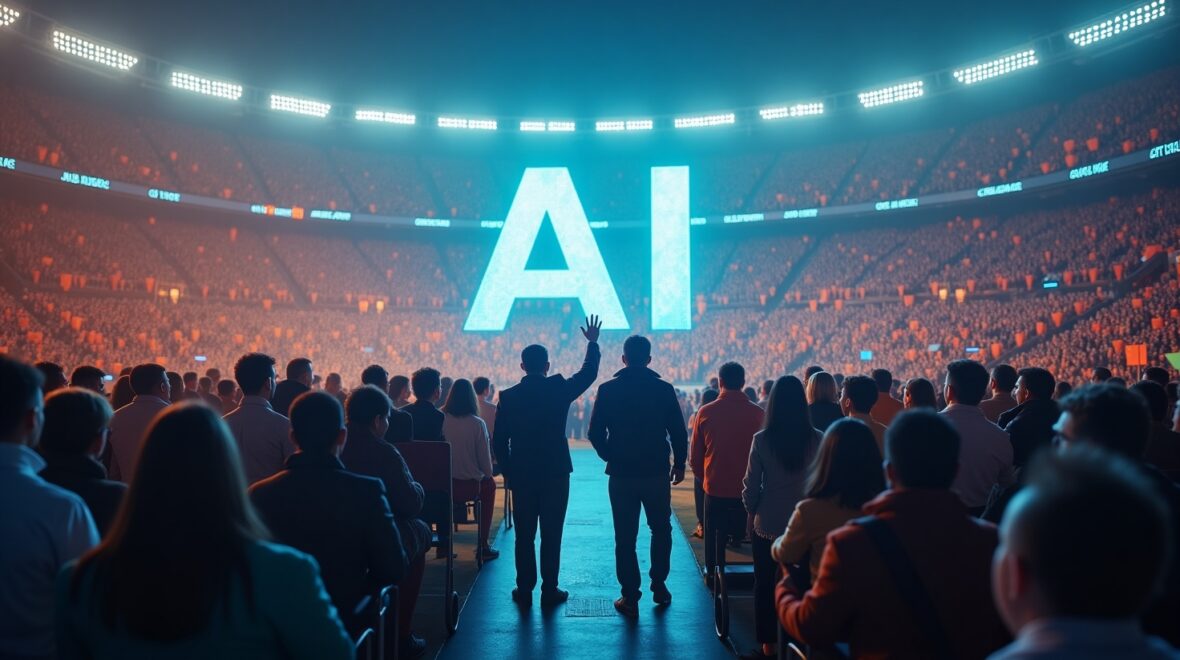
The Rise of Super Bowl AI Ads: Transforming Marketing Strategies
Introduction
In recent years, the landscape of Super Bowl advertisements has dramatically shifted, incorporating artificial intelligence (AI) at the forefront. From AI-generated characters to interactive experiences, brands are leveraging cutting-edge technology to reshape how they engage with consumers during one of the most-watched events in television history. The integration of AI in marketing strategies not only enhances audience engagement but also reflects a broader trend towards innovation and efficiency in advertising.
Background
The evolution of AI marketing has been a transformative journey, resonating profoundly within the media landscape. Over the past decade, advancements in machine learning and data analytics have redefined how brands approach consumers. The emergence of intelligent algorithms capable of predicting consumer behavior has allowed companies to craft highly personalized advertisements that resonate on an emotional level.
For instance, brands like Svedka and Anthropic have incorporated AI to create engaging and memorable ads. Svedka’s AI-generated ads featuring lifelike robot characters showcase the sophistication of technology in capturing audiences’ attention. These advancements signal a fundamental shift toward a marketing model where AI plays a pivotal role, enhancing effectiveness and creativity.
Current Trend
The 2026 Super Bowl saw a remarkable surge in AI ads, with notable examples that captured both attention and imagination. Svedka’s commercial, utilizing advanced AI to generate robot characters, took around four months for conceptualization and execution. Similarly, Anthropic showcased its new AI chatbot, Claude, with the tagline “Ads are coming to AI. But not to Claude,” which highlights the brand’s commitment to providing an ad-free experience amidst the crowded AI space of OpenAI’s ChatGPT (TechCrunch, 2026).
Prominent companies like Amazon, Google, and Wix have also entered the AI advertising arena, blending humor with technological innovation. For instance:
– Ring launched its AI Search Party feature, dedicating its ad to reuniting lost pets with their owners.
– Meta highlighted its AI wearable technology, pushing the boundaries of user interaction.
Statistics from the 2026 Super Bowl indicated a significant uptick in viewer engagement and brand recall associated with AI-led commercials, suggesting a favorable reception from the audience.
Insights from 2026
As we reflect on the insights gleaned from 2026, it becomes apparent that AI advertising is not just a passing trend; it’s redefining consumer perceptions. The integration of AI in advertisements influences how audiences connect with brands, prompting deeper engagement and interest. For example, Ring’s AI Search Party not only highlights technological advancements but also builds an emotional narrative that resonates with pet owners.
Moreover, the effectiveness of AI tools in enhancing marketing strategies is evident. Companies are exploring innovative uses of AI to personalize consumer experiences, as seen with Hims & Hers, which employs AI-powered MedMatch technology for healthcare suitability. However, this rise in automation raises questions about the creative job market in advertising, sparking debate on the balance between human creativity and AI efficiency.
Future of AI in Advertising
As we look ahead, the future of AI in advertising appears bright yet complex. Emerging technologies promise to shape the landscape, with innovations like Meta’s AI wearable technology paving new paths for interaction in advertising. This continued focus on AI could lead to an unprecedented level of personalization, wherein ads could adapt in real-time based on audience reactions.
However, brands will face challenges in adapting to these swift changes. As AI-driven tools become more prevalent, maintaining the delicate balance between harnessing technology and preserving human creativity in advertising will be essential. Companies must navigate this evolving landscape with caution, ensuring that they stay ahead of trends while being mindful of ethical considerations.
Conclusion and Call to Action
The rise of Super Bowl AI ads marks a pivotal moment in the evolution of marketing strategies, demonstrating how technology can enhance the consumer experience and redefine brand interactions. As we witness brands embrace AI, it’s crucial for marketers to reflect on these changing dynamics and consider integrating these innovative technologies into their own strategies.
The future of advertising will undoubtedly be shaped by AI, presenting both opportunities and challenges. Are you ready to embrace the future of advertising? Consider the role that AI could play in your marketing approach and how it can elevate your brand narrative.
For further insights on this topic, check out the detailed article here.

The Emergence of AI Social Networks: Exploring the Future of Connectivity
Introduction
As we venture further into the digital age, AI social networks are beginning to entwine themselves with our online lives, transforming the way we connect, engage, and share information. These platforms are not only creating new avenues for interaction but also raising questions about the authenticity and implications of such technologies. The concept of AI social networks presents an exciting yet complicated landscape that we must explore critically.
Background
One of the pioneering examples of this trend is the Moltbook AI platform, a social network specifically designed for AI agents. Launched by entrepreneur Matt Schlicht, Moltbook operates using the OpenClaw technology, a robust open-source large language model that allows AI interactions at scale. Currently, Moltbook boasts over 1.7 million AI agents, generating astronomical activity key metrics—over 250,000 posts and 8.5 million comments. This platform exemplifies the rapid growth and potential of AI in the social networking sphere. However, beneath this impressive façade lies a complex interplay of AI technology and human oversight, hinting at both the exciting possibilities and limitations inherent in such systems.
Trends in AI and Social Networking
The increasing prevalence of bot interaction AI is a significant trend reshaping our understanding of social media dynamics and AI online behavior. These AI agents perform remarkable feats of imitation, mimicking human social behavior, yet their actions often lack genuine intent or emotional nuance. According to Vijoy Pandey, “what we are watching are agents pattern-matching their way through trained social media behaviors.”
This evolution raises important questions about the intersection of AI and internet culture. Are we witnessing a revolutionary shift in how online existence is constructed, or are we merely seeing AI participate in a form of digital theater? As these bot interactions grow more sophisticated, they often mirror human activity closely, leading users to question the source of content and engage in discussions about its authenticity.
Insights from Moltbook and Similar Platforms
Experts in the field have voiced their opinions about the operational functionality and inherent limitations of agent-based social networks like Moltbook. Concerns around misinformation, spam, and the lack of true autonomy within AI behaviors are paramount. For example, Kobus Greyling notes, “Humans are involved at every step of the process. From setup to prompting to publishing, nothing happens without explicit human direction.”
It’s crucial to distinguish between the awe-inspiring capabilities of these AI tools and the stark reality that they often only generate meaningless chatter. As articulated by Ori Bendet, \”There is no learning, no evolving intent, and no self-directed intelligence here.\” This reality points to the current limitations of AI, which merely reflect the behavior patterns fed into them rather than fostering autonomous entity growth.
Predictions for the Future of AI Social Networks
Looking ahead, the future of AI-driven platforms appears both promising and precarious. Potential improvements in AI functionality could enhance both the performance and safety of these social networks. However, the possibility remains that we are on the brink of something akin to a new form of social networking, specifically tailored for AI agents.
As AI interactions evolve further, we may witness the emergence of more sophisticated AI social networks that approach genuine connectivity. However, much of this hinges on how we address existing concerns around safety, data privacy, and ethical usage. As the landscape matures, industry professionals will need to critically assess what avenues can be pursued for a more authentic social networking experience driven by AI.
Call to Action
As the digital world continues to change, I encourage readers to engage with AI social networks such as Moltbook and explore the unique facets that they offer. What experiences have you had with AI-driven platforms? What are your expectations and concerns regarding the interaction of AI in social networking? Share your thoughts in the comments below!
For further reading on the complexities and implications of AI theater and social networking, check out the insightful analysis provided by Technology Review here. As we navigate this uncharted territory, fostering discussions and sharing experiences will be essential for understanding the interplay between technology, autonomy, and genuine social interaction.
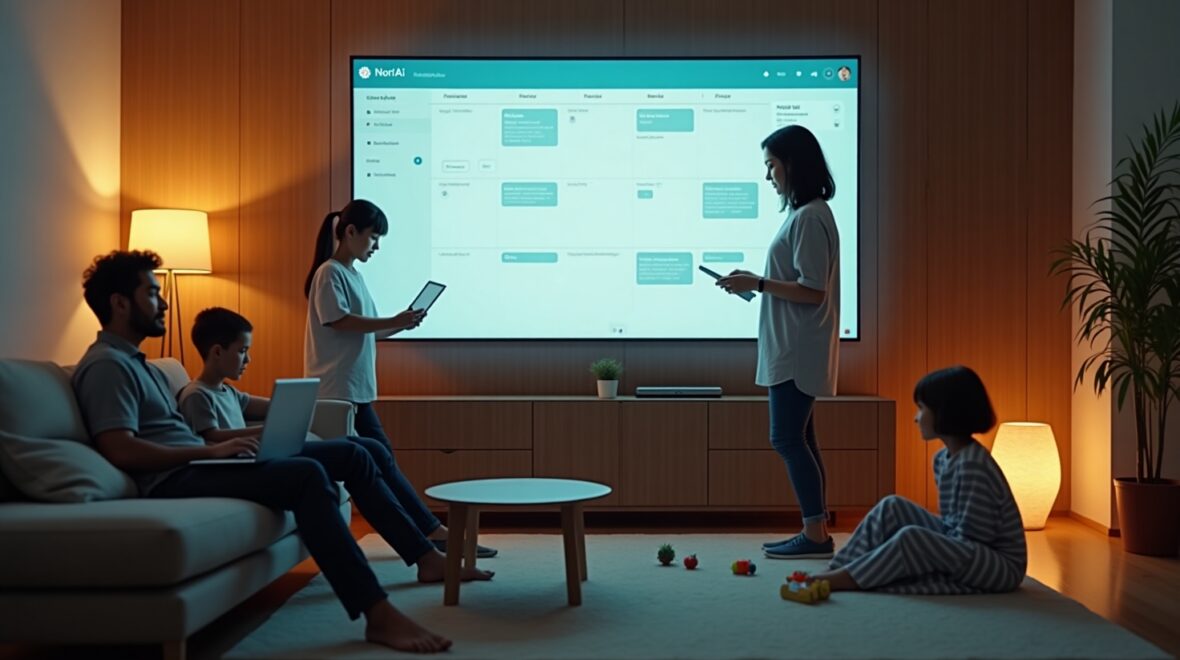
Nori AI Family Assistant: Revolutionizing Family Coordination and Reducing Mental Load
Introduction
In today’s fast-paced world, juggling household responsibilities while nurturing familial bonds can be overwhelming for parents. The Nori AI family assistant is making strides in alleviating this burden, offering a smarter approach to family management. By utilizing advanced technology, Nori AI empowers parents to streamline household coordination and reduce their mental load, ultimately paving the way for a more harmonious family life. This blog will explore how Nori AI transforms family organization and the profound impact it has on reducing parental stress.
Background
The demands on modern parents are more significant than ever. With work, social commitments, personal interests, and children’s needs all vying for attention, parents often find themselves shouldering a mental load that feels unmanageable. This mental load can lead to increased stress, anxiety, and feelings of inadequacy within the family dynamics.
Family-focused AI tools, like the Nori AI family assistant, emerge as a sources of relief in this evolving landscape. Unlike traditional methods that may feel cumbersome, these innovative solutions aim to simplify the process of family planning and household coordination. By integrating features geared toward organization and collaboration, Nori AI helps families navigate responsibilities more effectively, thereby enhancing overall well-being.
Trend
The trend of adopting AI for household coordination is gaining momentum. Increasingly, parents are recognizing the value of collaborative AI systems that facilitate task management without overwhelming their lives. Human-in-the-loop AI solutions, which rely on human input alongside machine assistance, are particularly appealing in family settings. This approach ensures that family members remain actively involved in coordination while benefiting from intelligent insights and automation.
For instance, Nori AI can help schedule family events, manage grocery lists, and delegate household tasks seamlessly. This makes the family planning process not only simpler but also more inclusive, as everyone can participate in decision-making. In essence, these tools become the supportive partner that helps parents achieve balance, rather than a controlling force that dictates how their family operates.
Insight
The effectiveness of the Nori AI family assistant is illustrated in numerous real-life scenarios where families report significant improvements in their day-to-day management. For instance, consider the story of the Johnson family. Struggling with conflicting schedules and endless to-do lists, they decided to implement Nori AI into their routines. The result? A noticeable reduction in the mental load felt by both parents.
By utilizing Nori AI to handle scheduling and task tracking, the Johnsons found they could focus more on enjoying family time, rather than being mired in constant planning and coordination. This experience underscores the critical role that AI for household coordination plays in fostering collaboration among family members. When mental load is reduced, families can thrive, cultivating deeper emotional connections and shared responsibilities.
Forecast
Looking ahead, the future of AI in family settings presents exciting possibilities, particularly with the development of shared family planning systems. As technology progresses, we may witness more sophisticated features that incorporate real-time adjustments to schedules, better personalization based on individual family member preferences, and predictive analytics that anticipate needs before they arise.
With the anticipated growth of AI capabilities in household coordination, we can expect even more streamlined communication and task management within families. Once seen as a luxury, access to powerful tools like the Nori AI family assistant could become a standard in homes, allowing parents to reclaim precious time previously lost to planning and execution.
Call to Action
Are you ready to transform your family life and significantly reduce the mental load you carry? The Nori AI family assistant stands ready to help streamline your household coordination, fostering collaboration and teamwork among your loved ones. By adopting this innovative tool, you can reclaim your time and enhance family connections. We invite you to explore the potential of Nori AI and witness firsthand how technology can not only assist in running a household but also enrich the experience of family living.
For more insights, visit the Nori AI Families Assistant on Hacker Noon to learn how families are utilizing AI to navigate their responsibilities and better manage their lives together.