Mobile Developer
Software Engineer
Project Manager
Mobile Developer
Software Engineer
Project Manager
Tag: Diffusion Models
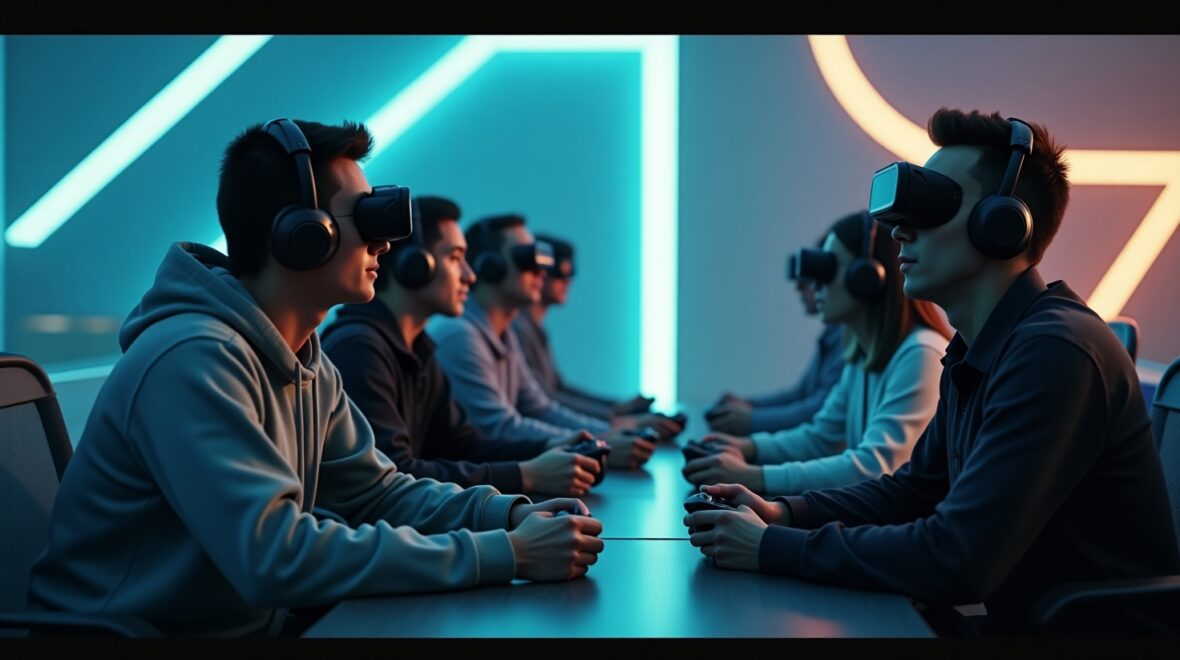
Harnessing Diffusion Model Game Engines for Revolutionizing AI Gameplay
Introduction
In the realm of gaming, the emergence of diffusion model game engines represents a captivating shift in how developers can create and simulate gameplay. These engines leverage advanced neural networks to craft innovative experiences that push the boundaries of traditional game design. By harnessing the power of these models, game developers can enhance real-time gameplay experiences, allowing for dynamic interactivity and engaging storytelling. As the gaming industry continues to evolve, diffusion models stand out as pivotal tools for creating immersive and responsive environments that adapt to player actions and decisions.
Background
At their core, diffusion models are advanced AI algorithms grounded in the principles of probabilistic modeling and machine learning. These models emerged as significant contributors to neural game simulation, marking a noteworthy evolution from earlier AI implementations in gaming. Historically, AI’s role in gaming was often limited to non-player character (NPC) behaviors or decision-making processes that were pre-scripted. However, diffusion models introduce a more complex layer of generative capabilities of real-time environments.
An exemplary case of early success in this realm is the DOOM AI simulation, where researchers demonstrated the use of diffusion models to replicate the gameplay of the classic video game DOOM in real-time. This instance showcased how diffusion models can function as real-time game engines, paving the way for new standards in AI game simulation (source: Hackernoon). The breakthrough lies in the models’ ability to generate gameplay instantly and responsively, a significant advancement in the landscape of interactive media.
Trend
Today, the trend of utilizing real-time generative models is becoming more pronounced within the gaming industry. As developers seek to offer richer and more engaging experiences, the advantages of diffusion models over traditional engines become clear:
– Dynamic Interactivity: Unlike static scripts, diffusion models allow for instant adaptations based on player actions, creating a more immersive environment.
– Vibrant Storytelling: The ability to generate content on-the-fly opens up new avenues for narrative complexity and player engagement.
– Resource Efficiency: They can produce extensive interactive worlds without the extensive resource allocation typical of traditional game engines.
Neural game simulations, which utilize diffusion models, are witnessing increasing popularity, as they allow for explorative and semi-autonomous gaming experiences. Players can interact with continuously evolving landscapes that offer surprises and challenges in real-time.
Insight
Diving into the performance of diffusion model game engines reveals their impressive capabilities in rendering gameplay. Research has shown these models can produce highly detailed and responsive environments that rival traditional engines (source: Hackernoon). Experts advocate for integrating autoregressive world models to further enhance the gaming experience. This combination can lead to revolutionary advancements in gameplay depth and creativity.
By employing statistical processes that learn from player interactions over time, diffusion model engines can yield complex scenarios and character behaviors, ultimately enriching gameplay. An analogy can be drawn between these engines and dynamic storytellers who adapt their narratives based on audience feedback, creating a uniquely engaging experience with every playthrough.
Forecast
Looking ahead, the future of game development is poised to be profoundly affected by the rise of diffusion models. As advancements in AI-driven generative techniques continue, we might witness:
– Enhanced Procedural Content Generation: Games could feature sprawling worlds populated with diverse life forms, each with behaviors shaped by machine learning algorithms.
– Shift Toward AI-generated Content: We may see a significant shift in the industry as developers embrace AI-generated assets, reducing development time and allowing for groundbreaking creativity.
The rapidly changing landscape of gaming suggests that as these technologies evolve, so will player expectations. The demand for immersive, interactive experiences will grow, ultimately driving further innovations in diffusion model game engines.
Call to Action
In conclusion, the exploration of diffusion model game engines presents exciting opportunities for developers and players alike. We encourage readers to delve into the realms of neural game simulation and stay updated on advancements in AI-driven gaming technologies. As the industry continues to uncover the potential of these models, being informed will enhance your gaming experience and understanding of this revolutionary shift.
Explore more, engage with the latest developments in diffusion models, and prepare to enjoy the dynamic worlds they promise to bring to life!