Mobile Developer
Software Engineer
Project Manager
Mobile Developer
Software Engineer
Project Manager
Tag: Biotech
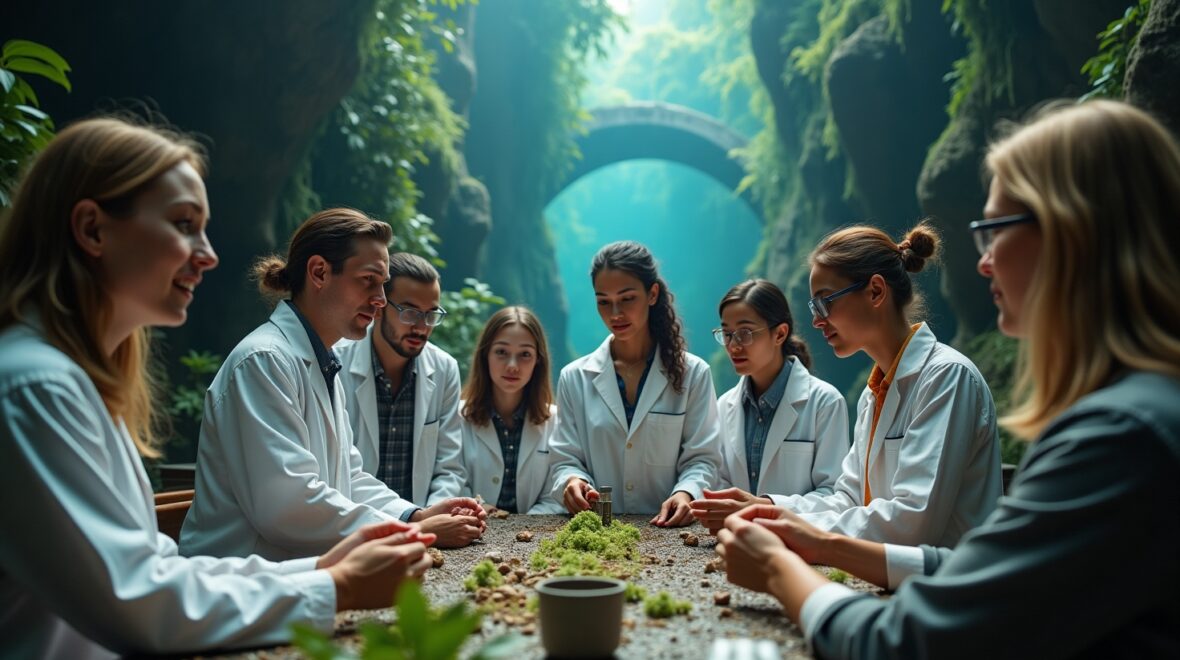
Microbial Metal Extraction: The Future of Sustainable Mining
Introduction
As the demand for clean energy metals skyrockets due to the rise of electric vehicles (EVs) and renewable energy technologies, the mining industry faces a significant challenge: extracting these metals sustainably. One promising solution that has emerged is microbial metal extraction. This innovative approach leverages the power of microorganisms to assist in the removal and recovery of valuable metals from ore. The importance of biotechnology in mining is gaining traction as stakeholders seek environmentally friendly alternatives to traditional methods.
Background
Traditional mining methods have long been associated with substantial environmental degradation. Techniques such as open-pit mining and smelting often lead to habitat destruction, water pollution, and high carbon emissions. Conventional extraction methods can result in an irreversible impact on local ecosystems, leading to biodiversity loss and poor air quality.
Microbial metal extraction offers a cleaner alternative through processes such as nickel bioleaching. In this approach, specific microbes break down metal ores, enabling the recovery of metals with minimal environmental harm. Bioleaching techniques harness naturally occurring bacteria to dissolve and extract metals from low-grade ores, reducing the need for harsh chemicals and energy-intensive processes. The benefits of sustainable mining technologies are substantial, including:
– Lower carbon emissions
– Reduced ecological footprint
– Decreased land and water usage
With biotechnological innovations, mining operations can now extract metals more efficiently, aligning economic viability with environmental stewardship.
Current Trends in Biotechnology in Mining
As interest in microbial metal extraction grows, innovative companies are emerging to pioneer new technologies. Startups like Allonnia and Nuton are leading the charge by investing in research and development to optimize bioleaching processes.
One of the important trends is the active management of microbial communities. By meticulously selecting and maintaining specific microbial populations, these companies can enhance metal recovery rates. Genetically engineered microbes are another area of exploration, designed to perform specific functions that increase efficiency in extracting metals from ores.
Recent funding successes underline the enthusiasm surrounding these innovations. For example, Endolith raised $16.5 million in November 2023 to transition from laboratory testing to real-world applications, while Nuton has been refining bioleaching methods for decades. As quoted by Buz Barstow, “Biomining is one of these areas where the need … is big enough,” showing a strong belief in the transformative potential of this technology.
Insights on Clean Energy Metals
The transition to clean energy has spurred an urgent demand for metals such as lithium, cobalt, and nickel, vital for manufacturing batteries and renewable technologies. Microbial metal extraction plays a crucial role in meeting this demand while ensuring minimal environmental impact.
By utilizing biotechnology in mining, we can efficiently recover materials like nickel and rare earth elements from low-grade ores, reducing the strain on high-quality reserves. For instance, innovative fermentation-derived broths and bioleaching processes can enable extraction in previously unmanageable conditions, much like how traditional agriculture transformed by utilizing fertilizers to increase crop yields.
As our reliance on clean energy continues to grow, microbial metal extraction will become increasingly relevant. The ability to tap into sub-optimal resources offers a more sustainable pathway to acquiring essential materials, preserving ecosystems while enabling technological advancement.
Future Forecast for Microbial Metal Extraction
Looking ahead, the next 5-10 years may witness exponential growth in microbial metal extraction technology. As research deepens and successes mount, we may see a shift similar to the dramatic changes introduced by fracking in natural gas extraction.
However, challenges remain, particularly in scaling these biotechnological solutions. The commercial viability of microbial extraction methods will require extensive testing data and proof of concept to transition from pilot projects to widespread application. Environmental policy developments and investment in sustainable practices will also play a significant role in determining how these technologies evolve.
In the future, the mining industry may embrace microbial solutions, drastically reducing environmental impacts while enhancing the profitability of operations. The transformational potential of biotechnology in mining is not just a trend; it represents a paradigm shift.
Call to Action
As we stand on the brink of a new frontier in mining, it’s essential to follow advancements in sustainable technologies like microbial metal extraction.
– Stay informed by subscribing to industry news outlets that cover innovations in biotechnology in mining.
– Follow organizations championing sustainable practices to learn more about their contributions and findings.
By staying educated, we can support the transition to more responsible mining practices, aligning our technological advancements with the health of our planet. For more insights into the potential of biotechnology in extraction and production processes, be sure to check out this detailed article on Technology Review.
As the demand for clean energy metals increases, the industry will look towards microbial metal extraction, promising a greener and more sustainable mining future.
The Future of Biotechnology in 2026: Innovations Transforming Health and Conservation
Introduction
As we approach 2026, biotechnology stands at the forefront of revolutionary advancements that promise to reshape our health and environmental landscape. Biotechnology 2026 is not merely a topic of discussion but a pivotal area of innovation, bringing to light breakthroughs in areas like gene editing therapy and embryo genetic screening. These advancements can alter everything from medical treatments for genetic disorders to the conservation of endangered species, illustrating a deepening intersection between technology and life sciences.
Background
Biotechnology, defined as the manipulation of living organisms or their components to develop products, plays a crucial role in modern science and society. Historically, its roots can be traced back to fermentation processes, but significant milestones such as the discovery of DNA structure and the advent of CRISPR technology have catapulted the field forward.
Key players like Colossal Biosciences and Aurora Therapeutics are paving the way for exciting developments leading up to 2026. For instance, the efforts of Colossal Biosciences aim to resurrect extinct species through advanced gene resurrection techniques using ancient DNA, while Aurora Therapeutics focuses on developing personalized gene therapies that target specific genetic issues.
One significant achievement that heralded a new era in biotechnology was personalized medicine. By tailoring treatment to the individual genetic makeup of patients, healthcare providers have begun to realize the potential for highly effective targeted therapies.
Current Trends in Biotechnology
As we delve into current trends in biotechnology, several noteworthy breakthroughs are catching the public’s attention.
– Gene Editing Therapy: This revolutionary technique has become a cornerstone of medical treatment for genetic disorders, allowing precise edits to DNA sequences. KJ Muldoon, the first baby to receive personalized gene editing therapy, illustrates the power of these techniques, successfully correcting a rare genetic disorder for a cost of around $1 million.
– Embryo Genetic Screening: Increasingly sophisticated screening techniques enable prospective parents to assess embryos not only for genetic diseases but also for desirable traits. While this innovation promises greater health outcomes for future generations, ethical debates continue to swirl around the implications of breeding for traits like height and intelligence.
– Gene Resurrection: This concept, gaining traction thanks to enterprises like Colossal Biosciences, utilizes ancient DNA to effectively recreate extinct species, merging conservation and innovation for purposes of biodiversity and ecological restoration.
Personalized medicine remains a prime example of how biotech innovations can enhance patient care, reducing trial and error in prescribing treatments. By designing therapies that fit an individual’s genetic blueprint, patients can receive tailored treatment plans leading to better outcomes.
Insights from Recent Breakthroughs
Recent advancements in biotechnology provide valuable insights into the current landscape and the potential implications for future applications. For instance, KJ Muldoon’s journey exemplifies the amazing possibilities of personalized gene editing.
However, the field does not come without its concerns. The ethical implications surrounding embryo genetic screening are significant. Critics argue that the ability to select desirable traits might create a slippery slope toward eugenics. As Fyodor Urnov noted, \”The choices we make today will dictate the future of human genetics.\”
Gene resurrection also opens a wealth of questions regarding biodiversity. The potential resurrection of creatures like woolly mammoths may help bolster ecosystems but also raises concerns about the unintended consequences of reintroducing species into ecological systems.
Collectively, these breakthroughs spotlight a vibrant and rapidly evolving biotech landscape where every innovation brings both promise and moral challenges.
Forecast for Biotechnology Beyond 2026
As we envision the future of biotechnological innovations beyond 2026, several predictions emerge. The trajectory of gene editing and personalized medicine suggests greater accessibility and refinement. For example, the development of easier, more affordable gene therapies could expand treatment options for millions.
Societal impacts will resonate across several domains, particularly in healthcare and genetics. More individuals may benefit from gene therapies for previously untreatable conditions, eventually making personalized medical care the norm rather than the exception.
Moreover, advancements in gene resurrection and embryo screening techniques may further push the envelope of what we deem as responsible biotechnology. Will curious individuals embrace the ability to choose traits for their children, or will societal pressure shape these choices in unforeseen ways?
Conclusion and Call to Action
In conclusion, the role of biotechnology in shaping the future of health and conservation is profound. Numerous innovations in biotechnology are steering us toward a world rich in possibilities, yet laden with complex ethical considerations.
To remain informed about the rapidly evolving field of biotechnology, we encourage readers to subscribe for updates or explore related articles on biotech innovations. As we witness these advancements, it is crucial to stay engaged and contemplate the implications not just for science, but for society as a whole.
For further reading on biotechnology trends, check out MIT Technology Review’s insights on breakthrough biotechnologies in 2026.