The Hidden Truth About Biotechnology in Mining and Its Impact on Sustainable Energy
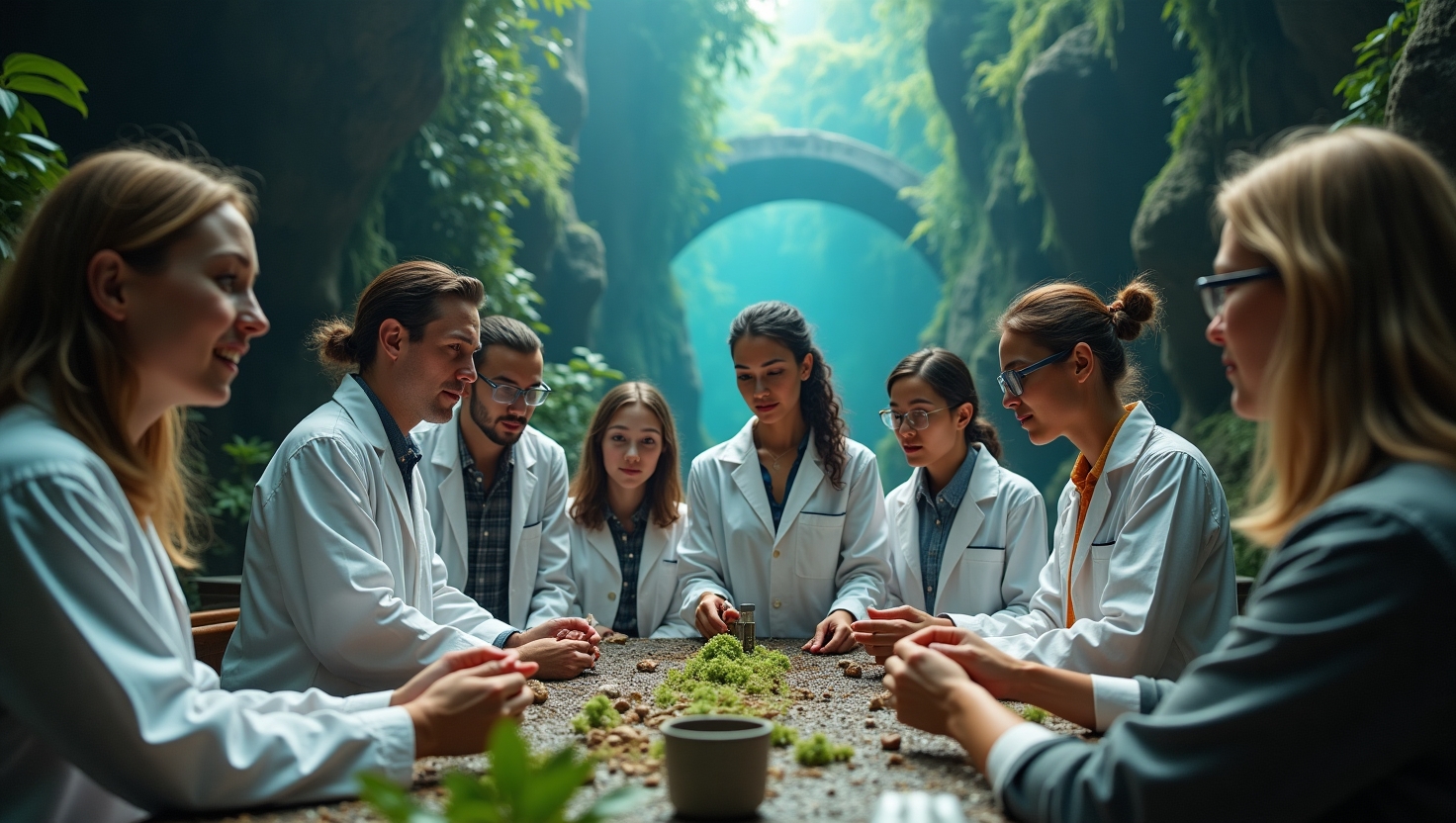
Microbial Metal Extraction: The Future of Sustainable Mining
Introduction
As the demand for clean energy metals skyrockets due to the rise of electric vehicles (EVs) and renewable energy technologies, the mining industry faces a significant challenge: extracting these metals sustainably. One promising solution that has emerged is microbial metal extraction. This innovative approach leverages the power of microorganisms to assist in the removal and recovery of valuable metals from ore. The importance of biotechnology in mining is gaining traction as stakeholders seek environmentally friendly alternatives to traditional methods.
Background
Traditional mining methods have long been associated with substantial environmental degradation. Techniques such as open-pit mining and smelting often lead to habitat destruction, water pollution, and high carbon emissions. Conventional extraction methods can result in an irreversible impact on local ecosystems, leading to biodiversity loss and poor air quality.
Microbial metal extraction offers a cleaner alternative through processes such as nickel bioleaching. In this approach, specific microbes break down metal ores, enabling the recovery of metals with minimal environmental harm. Bioleaching techniques harness naturally occurring bacteria to dissolve and extract metals from low-grade ores, reducing the need for harsh chemicals and energy-intensive processes. The benefits of sustainable mining technologies are substantial, including:
– Lower carbon emissions
– Reduced ecological footprint
– Decreased land and water usage
With biotechnological innovations, mining operations can now extract metals more efficiently, aligning economic viability with environmental stewardship.
Current Trends in Biotechnology in Mining
As interest in microbial metal extraction grows, innovative companies are emerging to pioneer new technologies. Startups like Allonnia and Nuton are leading the charge by investing in research and development to optimize bioleaching processes.
One of the important trends is the active management of microbial communities. By meticulously selecting and maintaining specific microbial populations, these companies can enhance metal recovery rates. Genetically engineered microbes are another area of exploration, designed to perform specific functions that increase efficiency in extracting metals from ores.
Recent funding successes underline the enthusiasm surrounding these innovations. For example, Endolith raised $16.5 million in November 2023 to transition from laboratory testing to real-world applications, while Nuton has been refining bioleaching methods for decades. As quoted by Buz Barstow, “Biomining is one of these areas where the need … is big enough,” showing a strong belief in the transformative potential of this technology.
Insights on Clean Energy Metals
The transition to clean energy has spurred an urgent demand for metals such as lithium, cobalt, and nickel, vital for manufacturing batteries and renewable technologies. Microbial metal extraction plays a crucial role in meeting this demand while ensuring minimal environmental impact.
By utilizing biotechnology in mining, we can efficiently recover materials like nickel and rare earth elements from low-grade ores, reducing the strain on high-quality reserves. For instance, innovative fermentation-derived broths and bioleaching processes can enable extraction in previously unmanageable conditions, much like how traditional agriculture transformed by utilizing fertilizers to increase crop yields.
As our reliance on clean energy continues to grow, microbial metal extraction will become increasingly relevant. The ability to tap into sub-optimal resources offers a more sustainable pathway to acquiring essential materials, preserving ecosystems while enabling technological advancement.
Future Forecast for Microbial Metal Extraction
Looking ahead, the next 5-10 years may witness exponential growth in microbial metal extraction technology. As research deepens and successes mount, we may see a shift similar to the dramatic changes introduced by fracking in natural gas extraction.
However, challenges remain, particularly in scaling these biotechnological solutions. The commercial viability of microbial extraction methods will require extensive testing data and proof of concept to transition from pilot projects to widespread application. Environmental policy developments and investment in sustainable practices will also play a significant role in determining how these technologies evolve.
In the future, the mining industry may embrace microbial solutions, drastically reducing environmental impacts while enhancing the profitability of operations. The transformational potential of biotechnology in mining is not just a trend; it represents a paradigm shift.
Call to Action
As we stand on the brink of a new frontier in mining, it’s essential to follow advancements in sustainable technologies like microbial metal extraction.
– Stay informed by subscribing to industry news outlets that cover innovations in biotechnology in mining.
– Follow organizations championing sustainable practices to learn more about their contributions and findings.
By staying educated, we can support the transition to more responsible mining practices, aligning our technological advancements with the health of our planet. For more insights into the potential of biotechnology in extraction and production processes, be sure to check out this detailed article on Technology Review.
As the demand for clean energy metals increases, the industry will look towards microbial metal extraction, promising a greener and more sustainable mining future.