What No One Tells You About the Future of Robotaxi Services in London
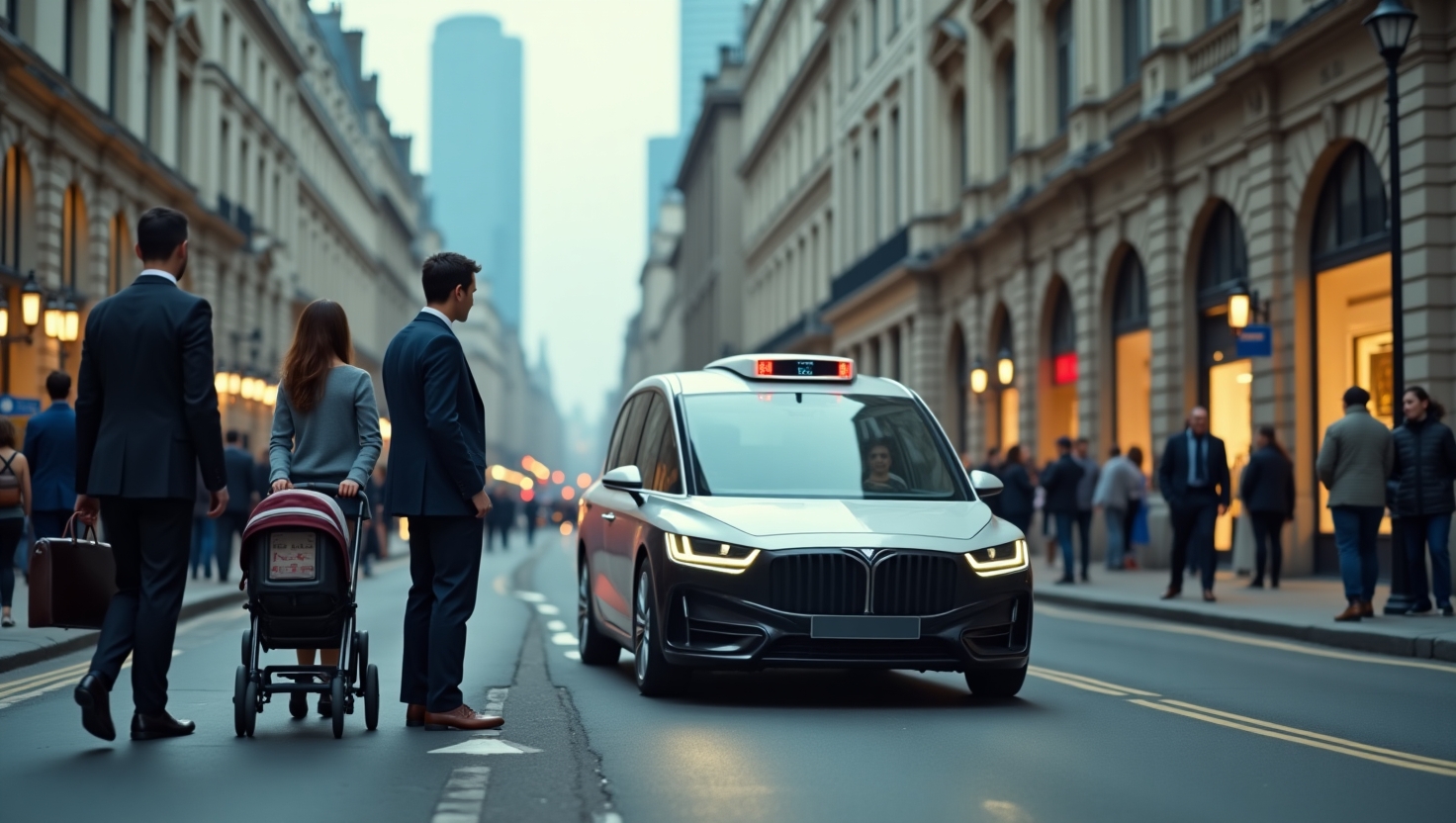
Driverless Taxis in the UK: Revolutionizing Urban Transportation
Introduction
The advent of driverless taxis in the UK marks a significant shift in urban transportation dynamics. With the increasing sophistication of autonomous vehicles, cities like London are set to become testing grounds for robotaxi services. The race is on among tech giants such as Waymo and Uber to launch their own fleets, attracting mixed reactions from the public and regulators alike. These developments raise essential questions about safety, public acceptance, and the economic implications for urban centers.
Background
The emergence of driverless car technology traces back several decades, evolving from experimental concepts to prototypes and, finally, operational systems. The UK government has actively been updating its regulatory framework, supporting the transition from traditional taxis to autonomous vehicles.
In 2021, this commitment was highlighted by the government’s announcement to pilot a robotaxi service in 2026. By mid-2026, regulations will likely be in place to facilitate safe and efficient operations of driverless taxis. This timeline is crucial, not only for the companies involved but for the broader picture of urban mobility in the UK.
Current Trends in the Industry
The autonomous vehicle sector is witnessing transformative changes. Major players like Waymo are making headlines with their ambitious plans, including a partnership with Jaguar for an advanced fleet of London robotaxis. Spurred by the rise of AI, these vehicles utilize cutting-edge sensor technologies to navigate without human intervention, celebrating milestones such as over 173 million miles of fully autonomous driving primarily in the U.S. (source: BBC).
Additionally, competitive pricing models are emerging amidst efforts to optimize urban mobility. The anticipated entry of firms like Uber and Lyft, which are collaborating with companies like Baidu, adds an extra dimension to this budding market. As these robotaxis become more commonplace, they promise to provide a premium yet competitive pricing structure, potentially altering how urban populations commute.
Insights from Industry Leaders
Key industry figures are vocal about the potential of driverless taxis. Lilian Greenwood, the Local Transport Minister, emphasizes the importance of safety and cybersecurity measures in deploying these vehicles. Statistically, the autonomous vehicle industry is projected to add a staggering £42 billion to the UK economy by 2035 and generate nearly 40,000 jobs.
Quotes from technology leaders provide further context. A representative from Waymo pointed out that the transition to AI transportation must prioritize public safety and trust, echoing concerns around the impact of potential cyber threats. Such insights underline the complexities involved in rolling out robotaxi services.
Forecast for Driverless Taxis in the UK
As we look towards 2026, the forecast for driverless taxis in the UK is optimistic but fraught with challenges. Projected growth hinges on regulatory approvals, advancements in technology, and public acceptance. It is expected that by 2026, the integration of autonomous vehicles will begin transforming not just the transportation landscape, but the urban economy itself.
The rollout of London robotaxis could stimulate job creation in maintenance, support, and advanced computer science fields. However, these autonomous vehicles must overcome hurdles, including regulatory compliance and cybersecurity measures.
The anticipated integration not only boosts convenience but also encourages innovation in urban transport solutions, improving access for the community. As these developments unfold, public discussions must be inclusive, ensuring citizen perspectives are accounted for.
Call to Action (CTA)
As driverless taxis begin to take shape in the UK, avid followers of technology and transportation are encouraged to stay informed about emerging trends. Consider subscribing to updates on societal shifts with the advent of robotaxi services or engaging in discussions on AI transportation. The shift towards autonomous mobility is not just a technological change but a profound transformation in everyday life. With the future of urban transportation at our doorstep, everyone has a role to play in shaping this journey.
Stay alert; the ride toward a driverless future may be closer than you think!