Why Waymo’s World Model Is About to Transform Autonomous Vehicle Simulation Forever
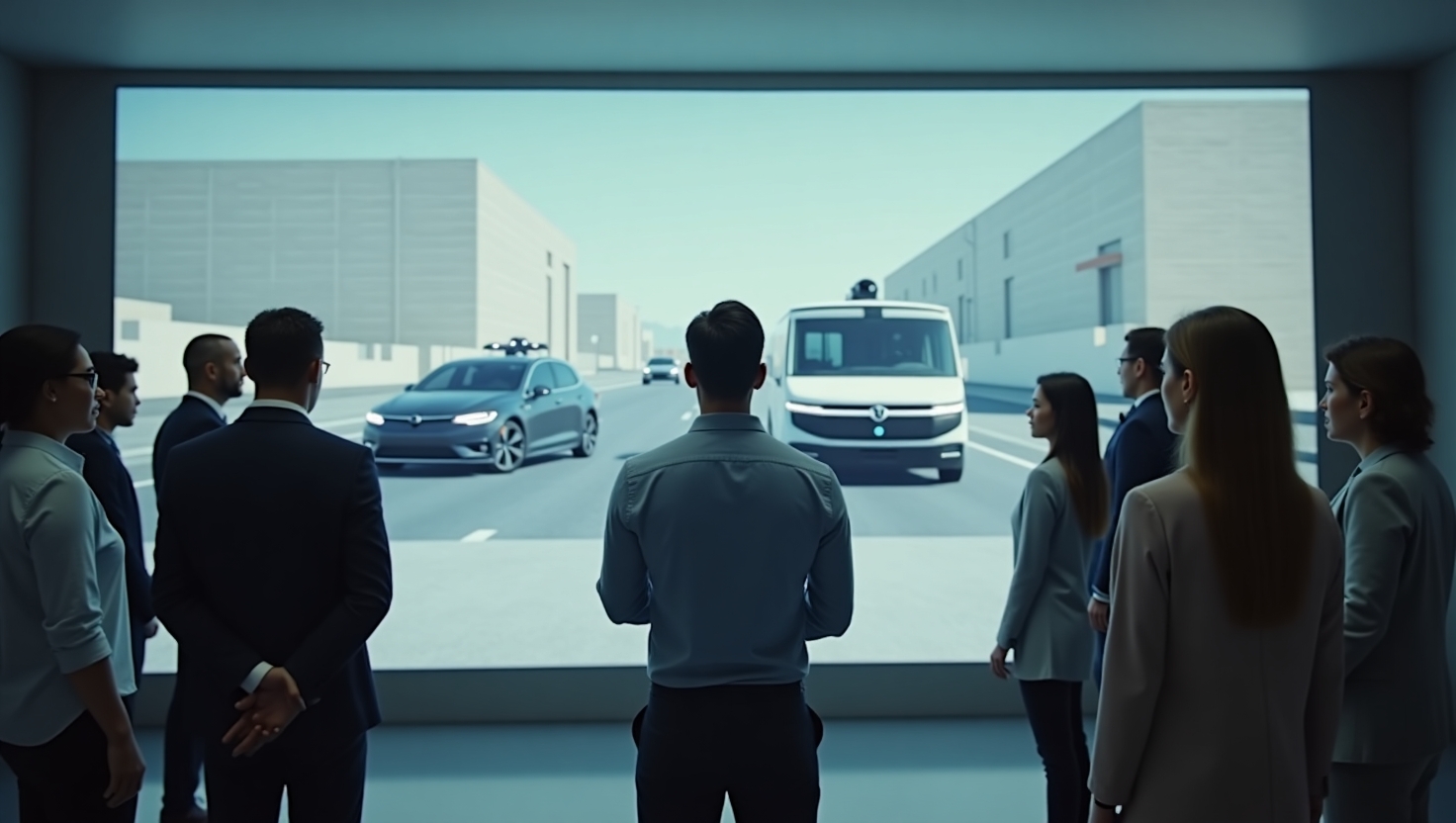
Waymo World Model: Revolutionizing Autonomous Vehicle Simulation
Introduction
The Waymo World Model stands as a groundbreaking advancement in the realm of autonomous vehicle simulation, poised to redefine the future of self-driving technology. Built on the innovative Genie 3 AI model from Google DeepMind, this state-of-the-art simulator is set to elevate the standards of the autonomous driving industry. By harnessing cutting-edge technologies, the Waymo World Model enables the creation of highly realistic environments that facilitate the training of Waymo’s autonomous driving systems, ultimately enhancing safety and operational efficiency.
Background
Waymo has consistently pushed the boundaries of autonomous driving, making significant strides over the past years. With nearly 200 million fully autonomous miles logged on public roads, the company has established itself as a leader in the field. The Genie 3 AI model, integral to the Waymo World Model, showcases the potential of generative AI for AV, allowing for the simulation of complex driving scenarios.
This model is pivotal due to its incorporation of multi-sensor driving simulation. By mimicking the wide range of inputs that an autonomous vehicle might encounter—such as camera and LiDAR data—this technology provides critical insights into real-world applications. As such, it not only augments the vehicle’s performance but also ensures better preparedness for unexpected situations.
Trend
The growing trend of incorporating generative AI in autonomous vehicle development is reshaping how we understand vehicle testing. With an increasing reliance on advanced simulation technologies, companies can execute extensive testing in environments that would be difficult, if not impossible, to recreate in reality. The Waymo World Model sets a new standard in this landscape, producing photorealistic environments that encompass sensor data, traffic conditions, and complex weather scenarios.
To put this into perspective, consider the impact of a high-quality video game in training military personnel. Just as game developers create rich environments to simulate combat scenarios, the Waymo World Model generates intricate driving contexts for autonomous vehicles to practice on.
In essence, the Waymo World Model signifies a shift towards sophisticated simulation technologies that offer unprecedented depth and realism.
Insight
At the core of the Waymo World Model lie its impressive features, designed to simulate rare driving scenarios that enhance testing robustness. Notably, its tri-axis controllability allows developers to manipulate driving actions, adjust scene layouts, and alter environmental conditions using language prompts. This flexibility enables targeted testing of various edge-case scenarios that the real-world fleets rarely encounter.
Moreover, the model’s capability to convert ordinary videos into realistic simulations empowers developers to use existing footage for comprehensive testing. This not only cuts down on the costs associated with building simulated environments but also increases the fidelity of the simulation outputs.
The implications of these advancements are monumental. Enhanced safety and efficiency in autonomous vehicle testing can lead to quicker deployment in everyday transportation scenarios, ultimately making roads safer for everyone.
Forecast
Looking ahead, the implications of the Waymo World Model for the autonomous driving industry are promising. The evolution of generative AI for AV is expected to lead to more sophisticated simulation technologies that continue to influence vehicle testing and safety protocols. As advancements in AI and machine learning accelerate, we anticipate:
– Improved Scenario Simulation: Expect simulations to evolve in complexity, accommodating a broader range of driving conditions and potential hazards.
– Real-time Adaptations: The capacity for real-time adjustments in simulation environments will revolutionize how developers test and train algorithms.
– Enhanced Safety Protocols: As safety becomes paramount, the integration of more comprehensive training systems may significantly reduce the risks associated with introducing autonomous vehicles to public roads.
The future of autonomous driving hinges on technologies like the Waymo World Model, which are transforming the landscape of vehicle development.
Call to Action
Are you intrigued by the possibilities of the Waymo World Model? Dive deeper into this revolutionary simulator and explore how generative AI is set to transform the future of autonomous vehicles. To learn more, check out this detailed analysis. The journey towards safer and smarter autonomous vehicles has only just begun, and the Waymo World Model is at the forefront.
—
(Note: This blog post is intended to provide insights into Waymo’s advancements and its World Model’s significance, citing industry-leading research and developments.)