Why AI-Powered Rockets Are Set to Revolutionize Space Exploration
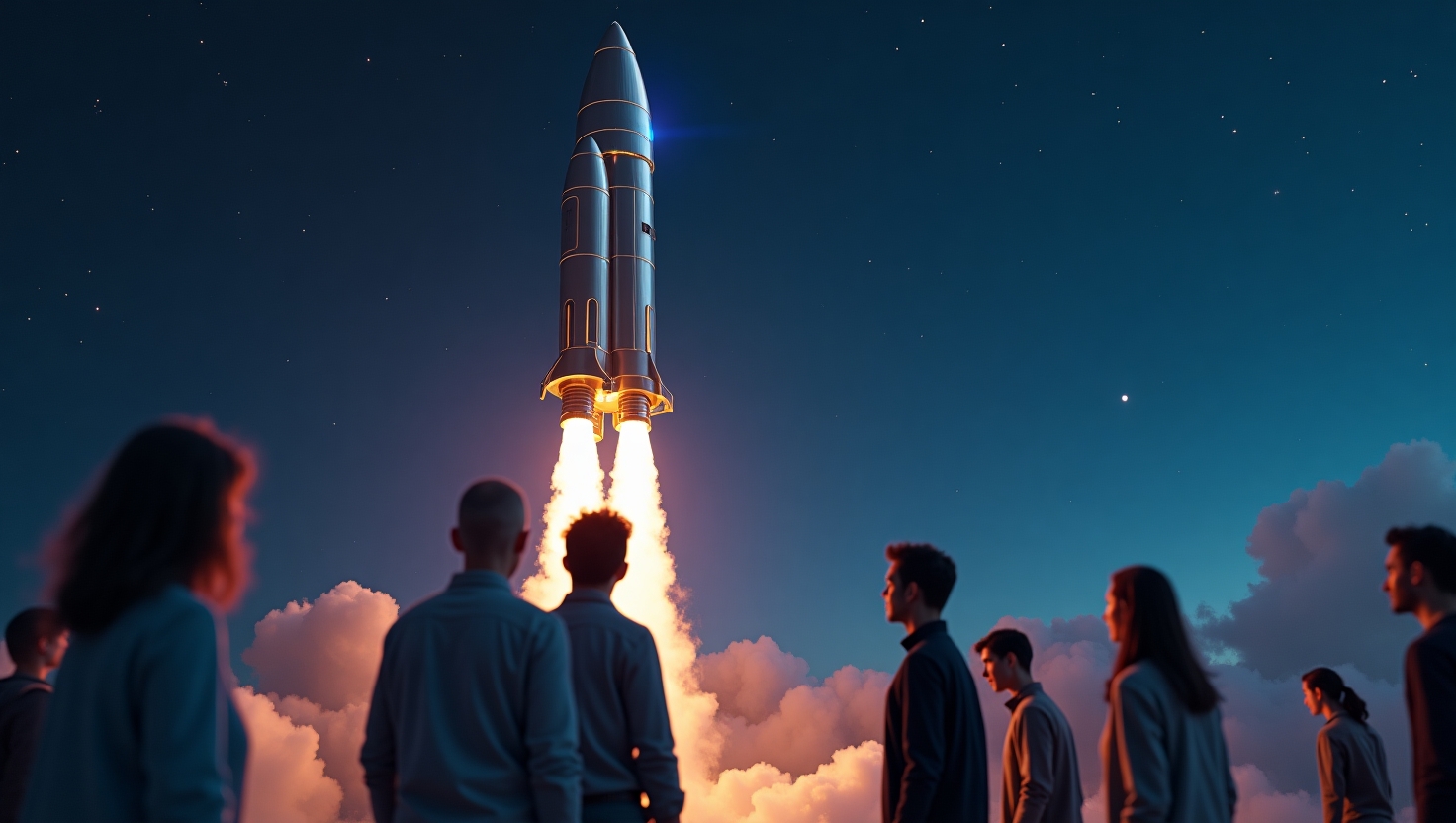
The Future of Space Exploration: AI-Powered Rockets Revolutionizing the Aerospace Industry
Introduction
Imagine a future where rockets do not just reach the stars but do so autonomously, powered by the very technology that’s defining this century: artificial intelligence. AI-powered rockets are not mere figments of sci-fi imagination; they represent a seismic shift in how we approach space exploration and the aerospace industry at large. As we stand on the precipice of this new era, the potential implications of these innovations are both thrilling and daunting. Buckle up, as we delve into the exciting world of AI and its integration in rocket technology.
Background
Rocket technology has evolved dramatically since the days of rudimentary launch systems. Now, entering the fray is AI—a robust ally that promises to redefine our celestial journeys. Leading this charge is SpaceX and its visionary, Elon Musk. Musk envisions a future where SpaceX AI technology is at the helm of autonomous rocket systems, dynamically enhancing the functionality and operational efficiency of space missions.
In a recent article, “ELON MUSK IS GOING TO BUILD AI-POWERED ROCKETS,” M-Marvin Ken outlines Musk’s aspirations, positing that AI integration isn’t just a preference but a necessity for the ambitious goals set by SpaceX, including potential colonization of Mars. The marriage of AI and aerospace technology could herald an unrivaled chapter in space exploration, pushing boundaries that current technology cannot even fathom.
Current Trends in AI and Aerospace
There’s a palpable buzz in the aerospace sector as AI in aerospace takes center stage. Current trends reflect an increasing reliance on machine learning systems, automating complex tasks that traditionally required human oversight. Designs skew towards autonomous rocket systems, capable of making real-time decisions based on pre-defined algorithms.
Imagine a rocket that adapts its flight path based on environmental variables or one that conducts real-time data analysis to ensure optimal performance. This is no longer science fiction; it’s happening now. The industry is seeing a surge in investments and partnerships centered around AI technologies, with companies not only competing with SpaceX but also colluding to bring forth the next generation of space travel. Think of a symphony orchestra; each instrument must play perfectly in harmony, guided by a conductor—for rocket technology, this conductor is increasingly becoming AI.
Insights on AI Integration in Rocket Technology
What tangible changes can we expect to see with AI-powered rockets? The integration of AI technology brings forth innovations that enhance rocket functionality beyond our imagination. Automation can significantly reduce human error, leading to more reliable and safe missions. Innovations such as predictive maintenance algorithms, which analyze system data to foresee potential failures, could revolutionize spacecraft safety protocols.
Elon Musk’s plans for implementing AI-powered systems into SpaceX’s infrastructure serve as a potent case study. For instance, consider the Falcon rockets. With an AI-integrated system, these rockets could not only conduct launches but also manage their own repairs mid-flight, adapting to meteorological challenges or sudden system faults autonomously. The implications of such advancements could lead to a self-sustaining atmosphere for deep-space missions, making longstanding journeys feasible for humanity as we stretch towards the stars.
Future Forecast: Where AI-Powered Rockets Are Heading
As we gaze into the crystal ball, the future of AI in space exploration appears as limitless as the cosmos itself. With rapid advancements in AI technology, the day is coming when we’ll witness fully autonomous, self-learning rockets—vehicles that can not only navigate space but also conduct scientific research and collaborate with other spacecraft. SpaceX’s trajectory heavily influences this landscape; if Musk’s ambitions come to fruition, we may embark on missions beyond Earth, touching the surfaces of once-inaccessible celestial bodies.
Moreover, the potential for these rockets to optimize energy usage and resource allocation could lead to sustainable practices in outer space, ultimately serving as a precursor to human settlement on planets like Mars. What we are witnessing is not just a technological leap; it is the dawn of a new frontier for mankind.
Call to Action
The evolution of AI-powered rockets presents an exhilarating yet controversial path for humanity. As we navigate through this uncharted territory, it’s imperative to stay informed about the developments in AI technology and innovations from SpaceX.
Subscribe to relevant newsletters, follow credible blogs, and engage with discussions that focus on aerospace advancements. The future is unfolding rapidly, and it’s our responsibility to understand where it leads. For further reading, explore the article titled “ELON MUSK IS GOING TO BUILD AI-POWERED ROCKETS” for deeper insights into this groundbreaking journey we are embarking upon.
The questions now are: Are we prepared for this change? And what does it mean for the collective destiny of humanity? Only time will tell, but one thing is certain—the journey has just begun.