Why Agentic AI Engineering Will Revolutionize Enterprise Automation Forever
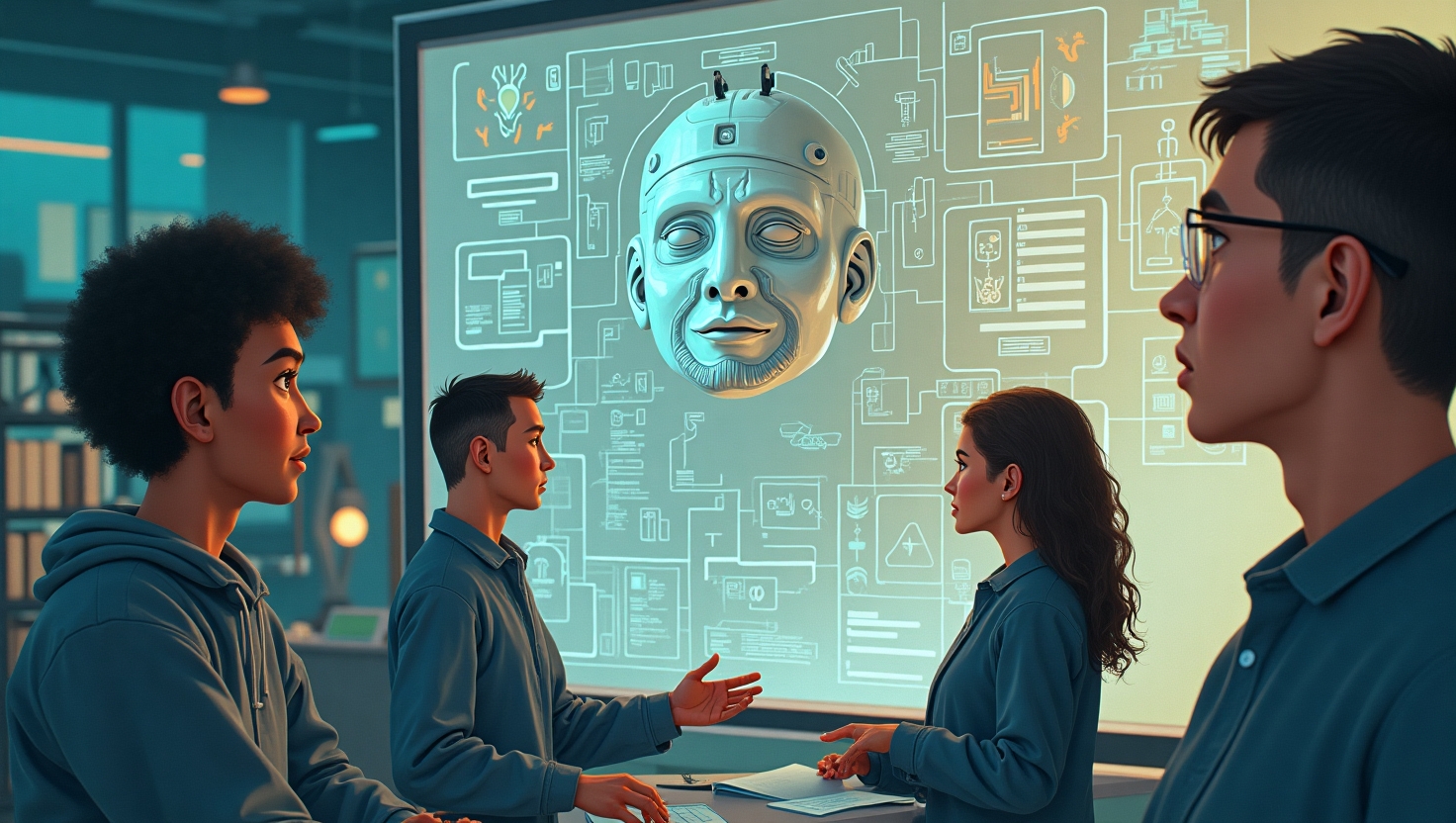
Harnessing Agentic AI Engineering for the Future of Autonomous Systems
Introduction
In the rapidly evolving landscape of artificial intelligence, agentic AI engineering is emerging as a transformative approach. This innovative methodology focuses on creating autonomous systems capable of functioning cohesively in complex environments – a necessity in our increasingly interconnected world. By integrating the tenets of agentic AI engineering into the development of robust multi-agent systems, enterprises not only enhance their AI automation capabilities but also ensure operational reliability and effectiveness. In this article, we will delve into the significance of agentic AI engineering and its pivotal role in shaping the future of autonomous systems.
Background
Agentic AI engineering centers around designing autonomous systems that can operate symbiotically, sharing data and working collaboratively to achieve shared goals. Some of the key principles underpinning this approach include:
– High-assurance AI reliability: This concept is crucial for maintaining operational integrity. As systems become increasingly autonomous, the need for trustworthy operations grows exponentially.
– Semantic intent engines: These engines play a significant role in interpreting user needs, allowing AI systems to align their actions with the expectations of users and stakeholders.
– Insights from industry leaders, like Sudarshan Venkataraman, emphasize the necessity of a \”nervous system\” for AI, which functions to ensure safety and interoperability among diverse autonomous technologies. His detailed exploration of this concept reveals how robust engineering practices can bolster AI reliability across various applications (source: Hackernoon Article).
As these principles converge, organizations can build systems that respond intelligently to complex scenarios and user interactions.
Trend
The current trend in the industry indicates a significant shift towards cloud-native architectures, which support zero-touch operations. This evolution is becoming increasingly relevant as enterprises aim to enhance their efficiency and reduce operational costs. Noteworthy trends include:
– The adoption of multi-agent systems, which excel in navigating complex environments due to their decentralized nature. These systems can work independently or collaboratively, adjusting to changing conditions with minimal human intervention. An example is how swarms of drones can efficiently map areas — each drone operates alongside others, making the overall process faster and more reliable than if a singular drone were used.
– Enterprises increasingly depend on AI automation, driven by the advancements in agentic engineering. The ability to automate routine tasks frees human resources to focus on higher-value endeavors while enhancing overall productivity.
This trend toward adopting agentic AI engineering ensures that businesses can manage their processes effectively and adapt to technological advancement swiftly.
Insight
Incorporating agentic AI into organizations allows for the maximization of operational efficiency and the assurance of reliability. Notable insights from the field include:
– Implementing high-assurance autonomy engineering creates safer AI environments. For example, in the automotive industry, where autonomous vehicles are becoming commonplace, rigorous testing and high-assurance principles prevent hazardous malfunctions and improve scoring in autonomous safety checks.
– The integration of semantic intent engines is vital for aligning AI systems with enterprise goals. By effectively processing user queries and intentions, these engines help achieve more accurate outcomes, making AI systems proactive rather than merely reactive.
By embracing these methodologies, companies distinguish themselves as leaders in innovation, bringing clarity to their operational strategies.
Forecast
Looking ahead, several trends are shaping the future of agentic AI engineering:
– A notable rise in the adoption of advanced AI architectures that prioritize automated reliability, a critical factor as businesses scale their operations.
– Increased emphasis on ensuring high-assurance systems through innovative engineering practices that address potential failures and risks.
– Enhanced enterprise AI automation driven by multi-agent systems is becoming a standard practice. As companies explore new ways to integrate these systems, industries will see unprecedented levels of collaboration and efficiency.
Organizations must be cognizant of these forthcoming changes, equipping themselves to better harness the potential of agentic AI engineering.
Call to Action
As businesses navigate the complexities of AI and automation, adopting agentic AI engineering principles is essential for sustained growth and competitiveness. Exploring how your organization can implement these strategies will not only drive innovation but also ensure robust operational success.
For further insights into the engineering of high-assurance autonomy, consider reviewing related resources such as Sudarshan Venkataraman’s elucidation on creating a reliable \”nervous system\” for AI technology (source: Hackernoon Article). Embrace the future of autonomous systems by integrating agentic principles into your operations today!